
Reviewed · PALMA CATHEDRAL TOURS
Palma: Old Town Walking Tour & Cathedral Skip-the-Line
Palma’s cathedral is the main event. This 2.5 hour guided walk pairs skip-the-line Cathedral access with a smooth old town route that makes Palma’s big story feel clear, not confusing. I especially love how the tour connects what you’re seeing to why it changed over time, with recognizable art moments like Gaudí and Miquel Barceló. The one thing to plan around is that you’re visiting an active religious building, so you’ll need the right clothing and you can’t bring big bags inside.
If you want Palma in one focused morning, this is a good fit. Guides such as Eulalia and Carlos are repeatedly praised for keeping things engaging, funny, and very local, with practical pointers on what to notice next. The pace is mostly walk-and-stop, so comfortable shoes matter.
In This Review
- Quick hits before you go
- Skip-the-line entry at Palma Cathedral: your time-saver
- The Cathedral’s big three interventions: Gaudí and Barceló in context
- What you’ll see beyond art: Cathedral names, construction, and surprises
- From sea views to royal walls: how the walk builds momentum
- Old town stops that feel local, not generic
- Mercat de l’Olivar finish: a smart place to eat after the tour
- Price and value: what $50 gets you in real terms
- Timing, pace, and what to pack for a 2.5 hour walk
- Who this tour suits best, and who should consider alternatives
- Book it or skip it: my decision guide
- FAQ
- How long is the Palma Old Town walking tour with Cathedral skip-the-line access?
- What is the meeting point and how do I recognize the guide?
- What does the ticket include?
- Is food or drinks included?
- What are the Cathedral rules for clothing and bags?
- Is the tour wheelchair accessible?
- Where does the tour end?
Quick hits before you go
- Skip-the-line Cathedral entry saves time for a building that can draw big crowds
- Three major Cathedral makeovers get explained, including Gaudí (1904 to 1914) and Barceló (2007)
- La Seu, explained: you’ll get the story behind the name and other standout curiosities
- Mallorcan welcome: you’ll receive a traditional ensaïmada at the start
- Old town streets after the Cathedral: patios, Santa Eulàlia, Sant Francesc, and more on foot
- Finish at Mercat de l’Olivar, handy if you want to keep eating after the tour
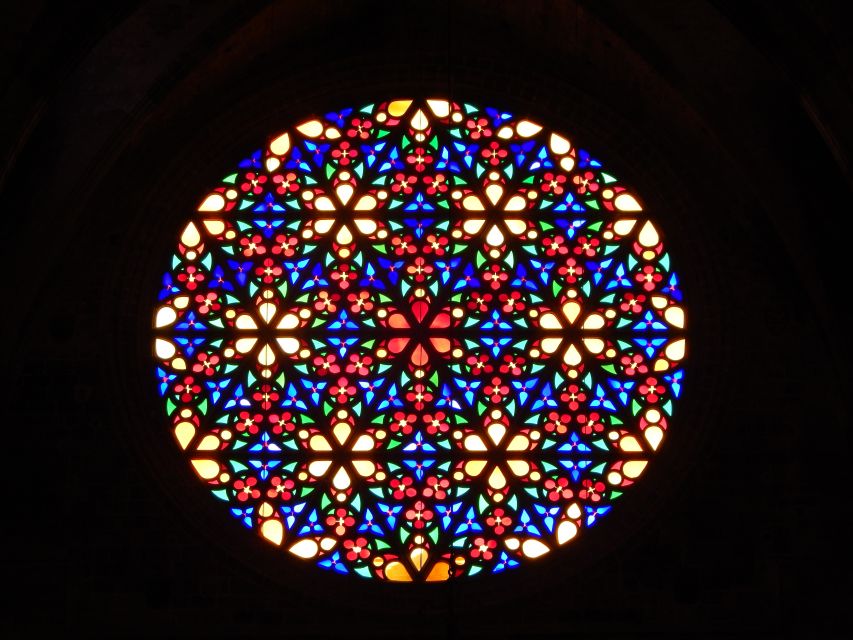
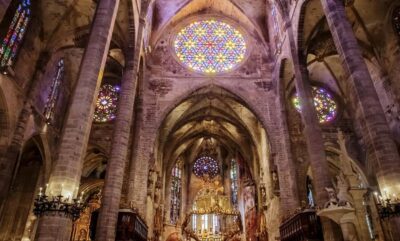
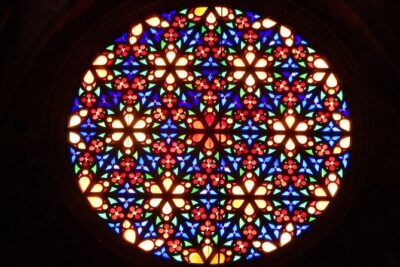
La Seu's rose window from inside
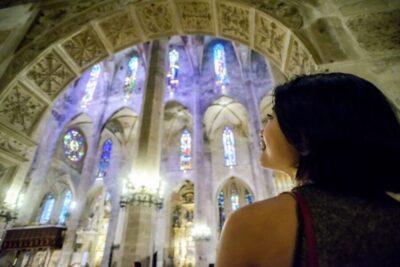
- Palma: Cathedral of Mallorca Skip-the-Line Entry Ticket
★ 4.6 · 14,386 reviews - Palma de Mallorca: Jetski Tour to Palma Cathedral
★ 4.4 · 575 reviews - Palma de Mallorca: Old Town and Cathedral Tour
★ 4.4 · 496 reviews
Skip-the-line entry at Palma Cathedral: your time-saver
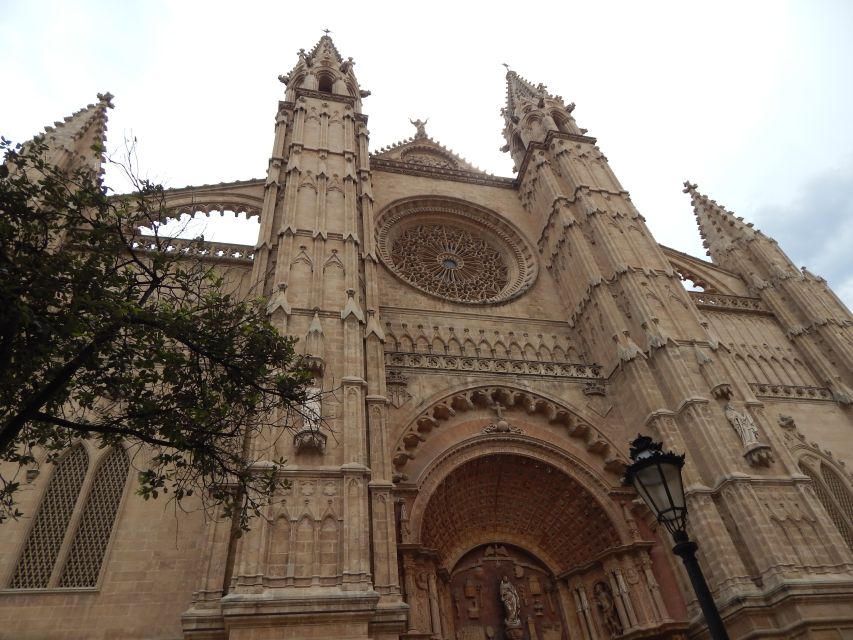
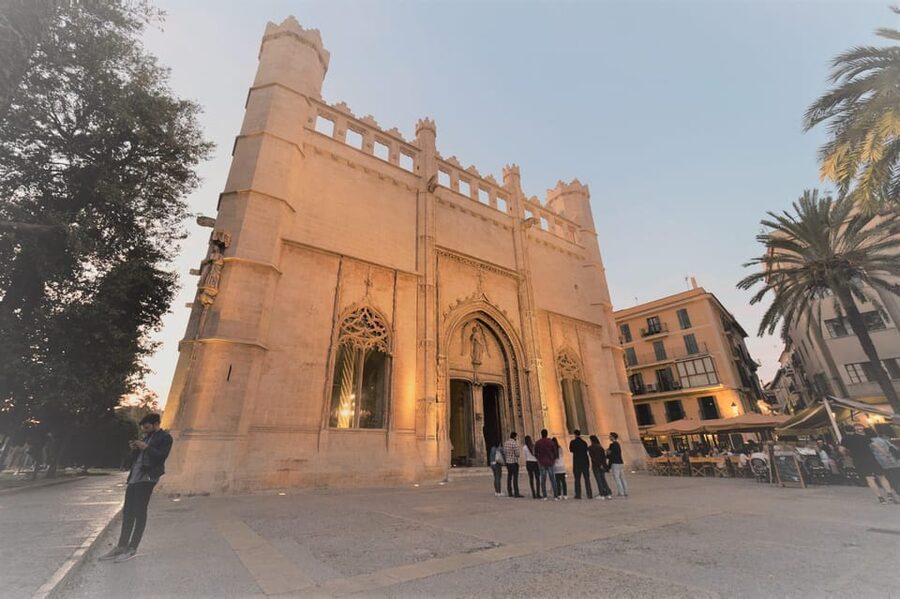
The biggest practical win here is the skip-the-line access to the Cathedral of Mallorca. Even if you arrive early, the Cathedral can have a slow, stop-and-wait rhythm. This tour gives you priority entry so you can spend your energy inside, not outside.
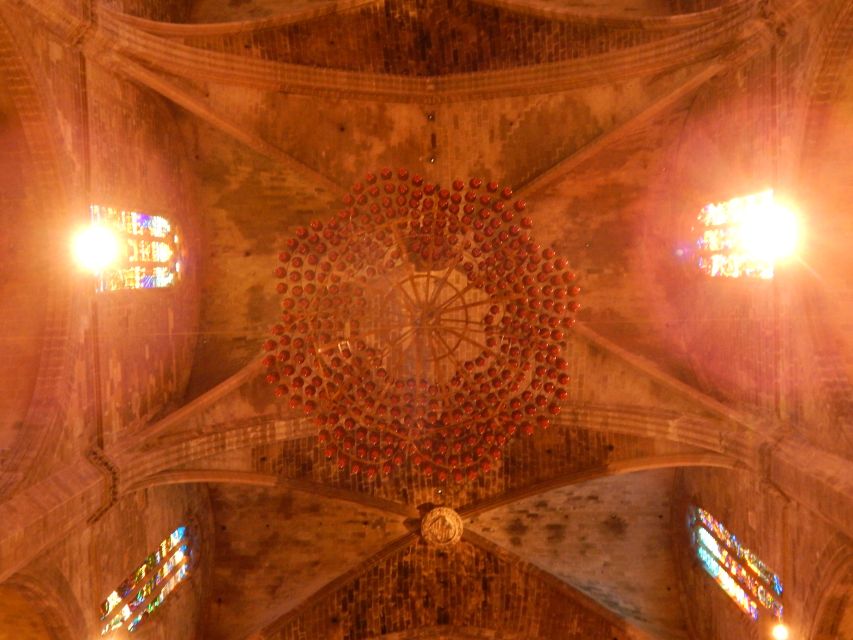
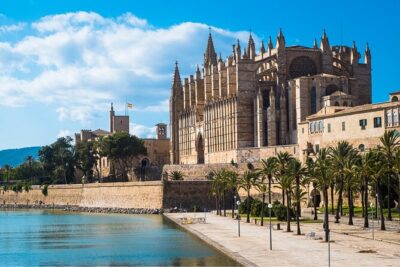
Once you’re in, you’re not just doing a quick look-and-go. The guide leads you through what makes this Gothic Cathedral feel so unusually layered in the Mediterranean light. Expect a guided explanation of construction and artistic shifts, with a steady thread from Roman-era roots to what stands today.
One more thing: Cathedral visits come with rules. You’ll want modest attire (no swimwear or beachwear), and you should travel light because suitcases and large bags aren’t permitted inside, and there are no lockers on site. If you’ve got a day bag, fine. If you’ve got luggage, rethink it. This is the kind of tour where a small backpack is your best friend.
The Cathedral’s big three interventions: Gaudí and Barceló in context
Inside the Cathedral, the tour’s story turns from general sightseeing into something more specific and satisfying. You’ll learn about three major artistic and monumental interventions that shaped the building over time. Instead of treating them like trivia, the guide frames them as moments when leaders and artists made clear choices about what the Cathedral should communicate.
Here are the three that matter most on the tour:
Rebuilding of the main portal (late 1800s)
You’ll hear how the main portal was reconstructed at the end of the 19th century. This matters because it shows that even a famous historic building keeps being edited, repaired, and re-presented for the next generation.
Antoni Gaudí’s reform (1904 to 1914)
This is where Palma gets extra interesting. You’ll be told about a major reform commissioned by Bishop Joan Pere Campins, carried out by Antoni Gaudí between 1904 and 1914. The point is not just that Gaudí worked here, it’s that his touch is part of a larger Cathedral evolution, not a random side note.
Miquel Barceló’s contemporary intervention (2007)
Then comes the modern layer. You’ll see how Miquel Barceló created a contemporary art intervention in the Chapel of Sant Pere in 2007. This can feel surprising in a place you might assume is only medieval. The guide helps you connect that modern commission to the Cathedral’s continuing role as a living space.
The guide also sets up a few of the “wait, really?” questions you’ll hear answered as you go. Why is it called La Seu? Who is buried inside? When was it built? The tour uses questions like these to keep your attention sharp while you learn.
What you’ll see beyond art: Cathedral names, construction, and surprises
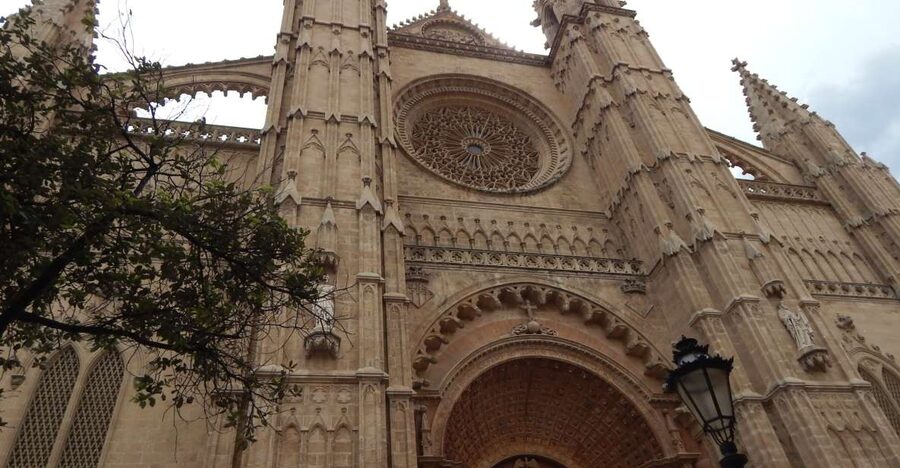
A lot of Cathedral tours list highlights. This one explains how Palma and the Cathedral are linked through changing names, shifting eras, and visible architectural development. Even if you don’t plan to become a construction nerd, this approach helps you understand what you’re looking at.
You’ll walk through the narrative that Palma evolved from Roman times toward the present day, with the Cathedral as a focal point for that long timeline. And because the guide ties each explanation to a visible feature, you’re not relying on memory alone.
One practical reason I like this kind of guided format: it keeps the Cathedral from becoming a blur. When you’re standing in a huge space, it’s easy to look up and forget everything five minutes later. Here, the stops are structured around meaning, so your brain has hooks to hang images on.
From sea views to royal walls: how the walk builds momentum
The Cathedral is the anchor, but the old town walk is what makes the morning feel like Palma, not just a single building visit. The route starts at the Informació Turística Ajuntament de Palma. The guide waits in front of the tourist office with an orange umbrella, next to an orange cube sign with a white letter i.
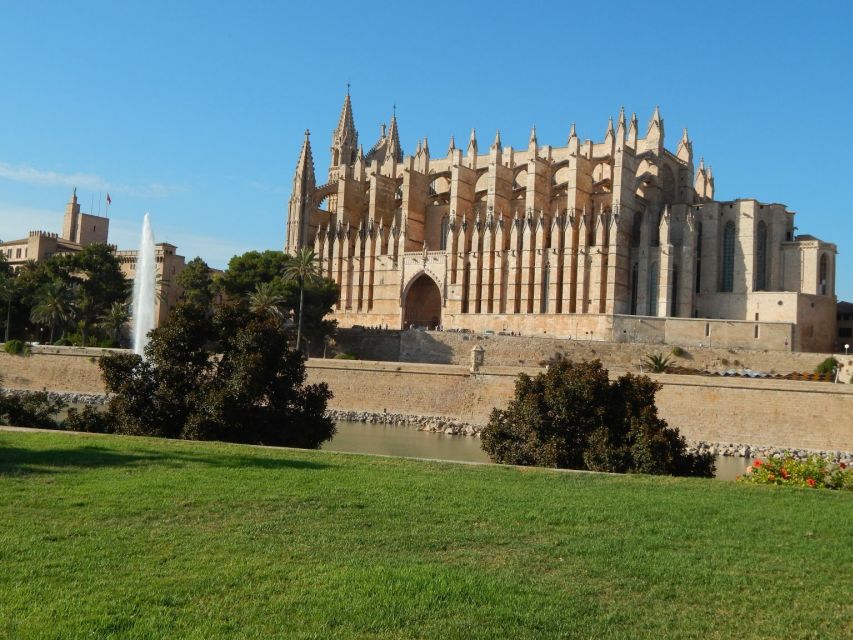
Before the Cathedral, you’ll get a taste of Palma’s setting. You’ll pass Parc de la Mar, a quick window into the area’s atmosphere. From there, you’ll move toward the Hort del Rei and then Palau de La Almudaina. Even short stops here are useful because they give you context for the Cathedral’s position in the city fabric.
These palace-and-garden style pauses matter because they help you see Palma as more than stone streets. You get a sense of the city’s layers and why certain buildings cluster where they do. It’s also a nice “warm up” before the Cathedral, which can feel intense once you’re inside.
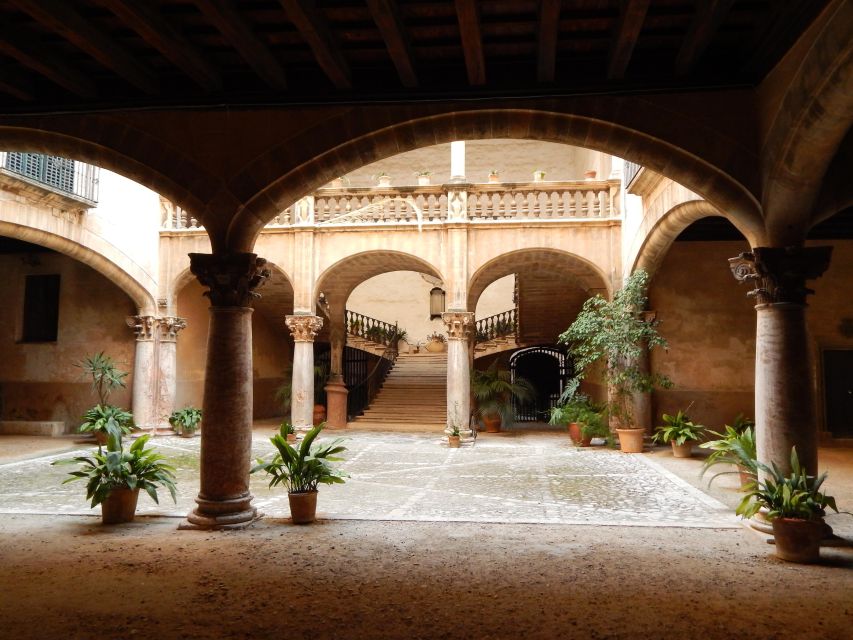
Palma's old streets, on foot
Old town stops that feel local, not generic
After the Cathedral, the tour continues through medieval streets that are full of small details you’d likely miss on your own. You’ll admire traditional Mallorcan courtyards, or patios, which are one of those Palma features that instantly makes the city feel livable.
The guide also takes you past key landmarks and neighborhood corners, including:
Santa Eulàlia de Ciutat de Mallorca
This is one of Palma’s parish church stops, and it’s useful because it expands the scope beyond the big Cathedral. You start to see how different religious sites shape the old town’s rhythm.
Royal Convent of Sant Francesc
A stop like this helps you understand that Palma’s Gothic and historic layers are not only concentrated in one famous building. The convent setting gives the tour a quieter, more contemplative beat.
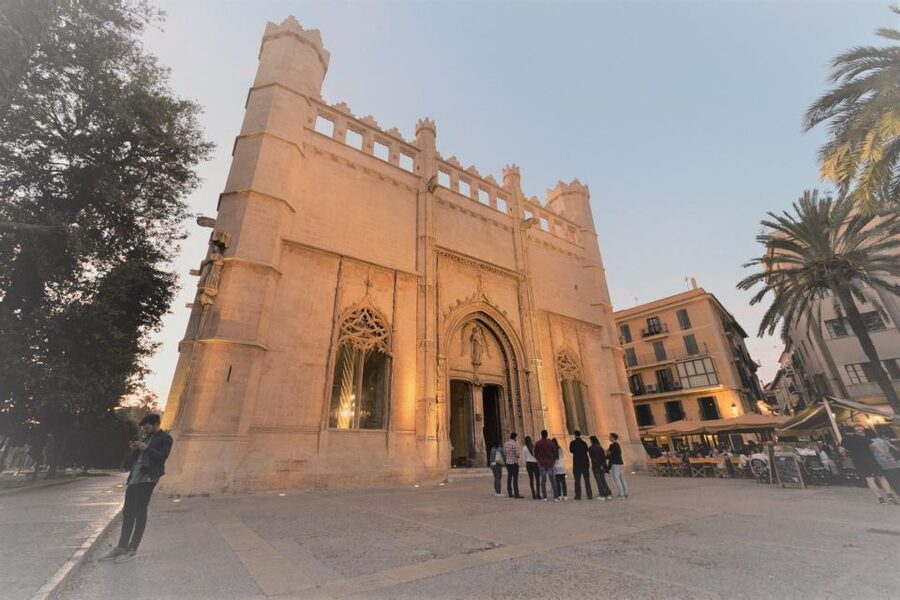
Plaça de Cort and the former Jewish quarter area
You’ll pass Plaça de Cort, plus part of the former Jewish quarter. Even without getting lost in a long lecture, the guide uses these spaces to show how many communities shaped the city over time.
Can Forteza Rey
This stop is great for people who like architecture details. It gives you a break from church stone and back into the kind of historic streetscape that makes Palma feel personal.
Basílica de Sant Miquel de Palma
Ending in the general area of Sant Miquel keeps your focus on the old town’s verticality, façades, and the way churches anchor street corners.
Not every stop will wow you the same way. Some are short visual checks. But taken together, they make the Cathedral visit feel part of a bigger city story.
Mercat de l’Olivar finish: a smart place to eat after the tour
The walk ends at Mercat de l’Olivar, described as Palma’s city’s largest market. This is a smart finish because you’re not stranded at a random point after 2.5 hours.
If you want food, the market area is ideal for local gastronomy. If you’re more the “browse then decide” type, you’re also in a good spot to grab lunch nearby without planning a whole detour.
One practical tip: markets can be lively. If you’re wearing your best walking outfit and don’t want to end up snagging it on a chair or floor, keep it simple and comfortable. You’re already walking, so let lunch be the easy reward.
Price and value: what $50 gets you in real terms
At about $50 per person for a 2.5 hour guided tour, you’re paying for three things that are hard to replicate on your own:
- Skip-the-line entry plus Cathedral entrance access
- An official English-speaking local guide who explains what you’re seeing
- A structured old town walk that ends at a practical food spot
If you tried to do this self-guided, you could certainly buy tickets and walk streets. But you’d likely miss the tight connections the guide makes, like the Cathedral’s specific interventions and the context around La Seu. That’s where the value shows up.
Also, you get a traditional ensaïmada welcome treat. It’s not a full meal, but it’s a nice local touch that helps the tour feel grounded in Mallorca, not just cultural sightseeing.
Timing, pace, and what to pack for a 2.5 hour walk
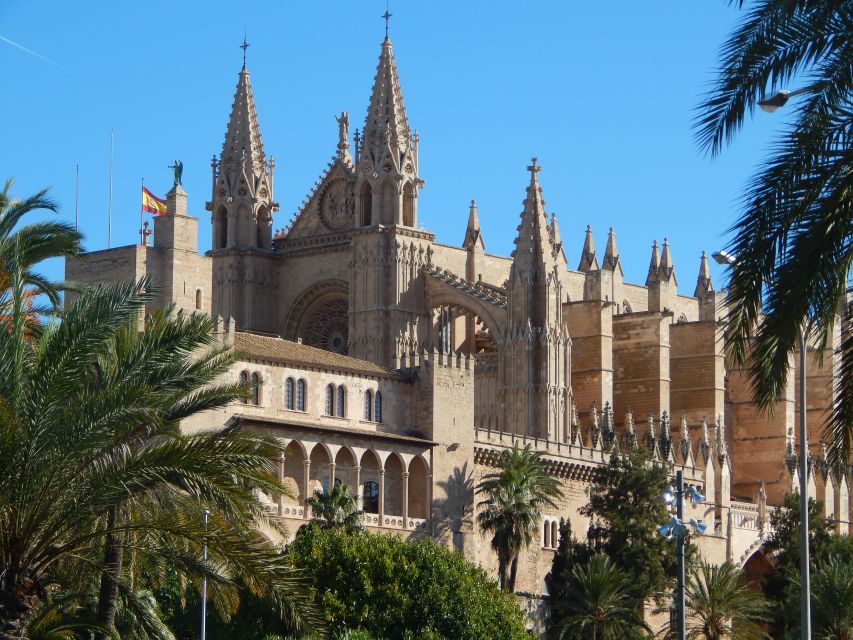
This is a 2.5 hour walking tour, so plan for normal city walking plus waiting moments at stops. You don’t need hiking gear, but you do need shoes you can trust for cobblestones and uneven old town surfaces.
Pack like this:
- A small bag you can keep with you inside the Cathedral
- A layer, because Palma mornings can shift
- Clothing that works for religious sites (no swimwear or beachwear)
If you’re the type who carries a lot, this is where the “no lockers” rule can change your day. The tour is wheelchair accessible, but that doesn’t mean every bag scenario is easy. Keep it light and you’ll enjoy the experience more.
Who this tour suits best, and who should consider alternatives
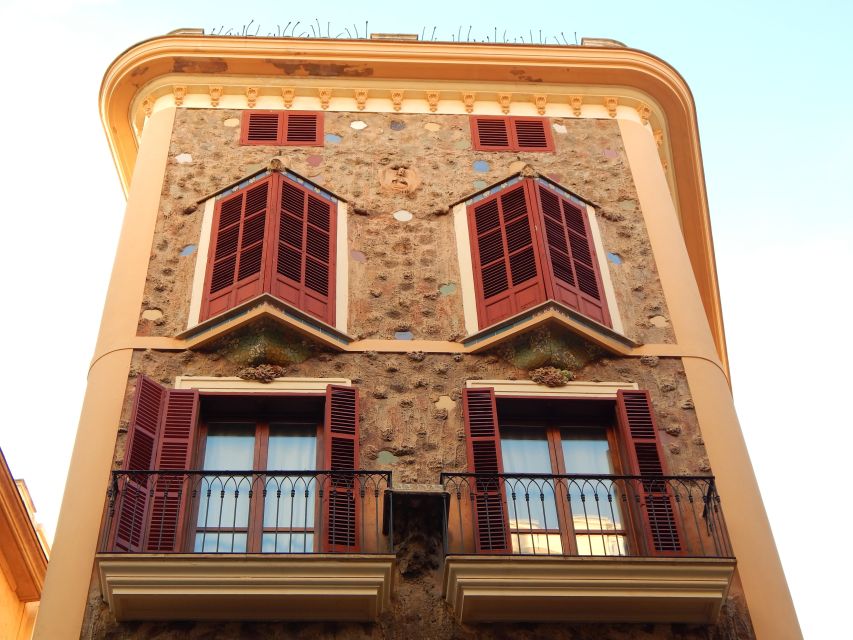
This is a strong choice if you:
- Want Palma old town plus the Cathedral in one tidy block
- Like guided storytelling that connects art to specific moments in time
- Want to see both big landmarks and smaller streetscape details like patios
It may be less ideal if you:
- Have major mobility limits that make short walks difficult
- Are traveling with large luggage and hate the idea of carrying everything around
- Want a totally free-form itinerary, because the guided flow keeps you moving through set stops
If you’re a first-timer, this tour is also a great way to get your bearings fast. You come away knowing where major places are and why they matter.
Book it or skip it: my decision guide
I’d book this if your priority is the Cathedral of Mallorca with real context. The mix of skip-the-line access, guided explanations of Gaudí and Barceló interventions, and the old town walk that ends at Mercat de l’Olivar is a very practical combo.
I’d hesitate if you’re not up for Cathedral rules or you’re arriving with big bags you would rather not carry. In that case, either plan a lighter day pack or consider doing the market and old town first, then tackle the Cathedral separately.
If you like small group energy and clear storytelling, this tour is an easy yes.
FAQ
How long is the Palma Old Town walking tour with Cathedral skip-the-line access?
The tour lasts about 2.5 hours.
What is the meeting point and how do I recognize the guide?
Meet at the Informació Turística Ajuntament de Palma. The guide stands in front of the tourist office, holding an orange umbrella, and the office has an orange cube-shaped sign with a white letter i.
What does the ticket include?
It includes Palma Cathedral entrance, skip-the-line entry, an official English tour guide, and a guided walk through Palma’s old town.
Is food or drinks included?
A traditional Mallorcan ensaïmada is included as a welcome treat. Food and drinks like lunch are not included.
What are the Cathedral rules for clothing and bags?
You need appropriate attire for a religious building, with no swimwear or beachwear. Suitcases and large bags are not permitted inside the Cathedral, and there are no lockers available on site.
Is the tour wheelchair accessible?
Yes, the tour is wheelchair accessible.
Where does the tour end?
The tour finishes at Mercat de l’Olivar, Palma’s largest market area.
Walking Tours of the Island
More Skip the Line in Mallorca
Fresh on the Island
- Deluxe Excursion in Palma De Mallorca and Valldemossa★ 5.0 · 1 review
- History, Architecture and Legends of Palma de Mallorca★ 5.0 · 1 review
- Palma de Mallorca Private Boat.Adventure from the Sun to the Stars★ 5.0 · 1 review
- Half-day trip to the Drach Caves★ 5.0 · 1 review
- Mallorca: 4-Hour Retreat of Yoga, Meditation & Magic Vibes★ 5.0 · 1 review
- Coasteering northern area Mallorca (Alcudia)★ 4.0 · 1 review
- Mallorca: individually guided hiking tours, city, coast, almond blossom★ 5.0 · 1 review
- 8-Hour Formentor and Sineu Market with boat trip Tour in Mallorca★ 4.0 · 1 review
Palma Cathedral Tours, compared.
Cathedral of Mallorca Skip-the-Line Entry Ticket
Read our review →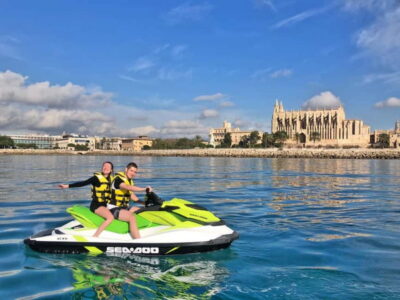
Palma Old Town & The Cathedral of Mallorca with Mallorcan pastry
Read our review →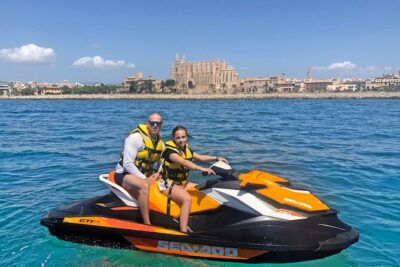
Jetski Tour to the Emblematic Palma Cathedral
Read our review →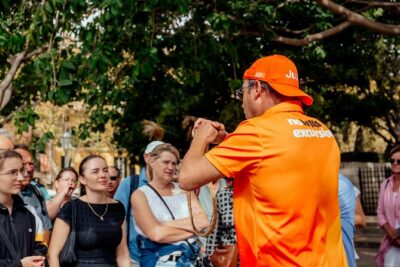
Mallorca Old Town Walking Tour with Cathedral Skip The Line Tour
Read our review →
Browse the lists this tour appears in