
Reviewed · OLD TOWN TOURS
Palma de Mallorca: Guided Tour of the Old Town
Palma’s old town is all angles and stories. This guided walk helps you spot the big landmarks and the small “how did they do that” details, without turning it into a museum lecture. I especially liked the way you connect the city to the Mediterranean trade that made Palma powerful, and the focus on real architecture you can actually see up close. One thing to keep in mind: it is a walking tour, and it is not suitable for wheelchair users.
You will also get a strong sense of Palma’s different eras, from the cathedral builders to the patios and secular palaces. The tour can be very personal too, because guides can answer questions and you can choose private or small-group options. The main drawback is simple: entrance fees are not included, so you might still pay if you want to go inside places like Es Baluard during the stop.
In This Review
- Key highlights you can count on
- Palma old town, why this 2-hour walk is worth your time
- Where you meet and how to walk comfortably (with no luggage)
- La Seu Cathedral and the builders you should recognize
- La Lonja Exchange, where money built the city
- Consolat de Mar and the secular side of Palma
- Almudaina palace, courtyards, and the patios you will remember
- Plaça Cort, the city wall, and piecing together neighborhoods
- Modernisme buildings and Es Baluard, culture beyond the postcard
- Market hall energy and Mediterranean food hints without the food tour
- Guide quality is the whole point, and German-speaking guides shine here
- Price and value: what $46 buys you in Palma
- Who should book this Palma old town walk
- Should you book this Palma Old Town Guided Tour?
- FAQ
- How long is the guided tour of Palma’s old town?
- What is the price per person?
- Where do I meet the guide?
- Is the tour in German only?
- Are entrance fees included?
- Is food or drinks included?
- What should I bring?
- Is luggage allowed?
- Is this tour suitable for wheelchair users?
- Is there free cancellation?
- Is there a reserve now, pay later option?
Key highlights you can count on
- La Seu Cathedral: see why Guillem Sagrera’s work matters, not just that it exists
- La Lonja Exchange: learn how trade wealth shaped the old town you are walking through
- Patios in the center of town: discover ornate courtyards you would probably miss on your own
- Jewish quarter and city walls: understand how neighborhoods evolved around power and protection
- Modernisme buildings: keep an eye out for architecture styles that show Palma kept changing
Palma's old streets, on foot
- Palma de Mallorca: Old Town Atmospheric Evening Tour
★ 4.8 · 706 reviews - Palma de Mallorca Old Town Guided Bike Tour (Small Groups)
★ 4.6 · 563 reviews - Palma de Mallorca: Old Town and Cathedral Tour
★ 4.4 · 496 reviews
Palma old town, why this 2-hour walk is worth your time
Palma de Mallorca can feel big at first, even when you only stay in the old streets. This tour is designed to fix that fast. In about 105 minutes to 2 hours, you get a guided route that hits the places that define the city, then slows down just enough to make the details click.
I like tours that help you read a city like a map. Here, you are not just stopping at famous sights, you are learning the “why.” Palma’s story is tied to the Mediterranean, and the tour uses that thread to explain buildings that seem unrelated at first. That connection is what makes the walk feel useful, not just scenic.
You will also notice that the group size and guide style can make a difference. The tour is offered with a live guide (German for the join-in option), and private tours are available in multiple languages. In the real world, that means less time guessing, more time understanding.
Where you meet and how to walk comfortably (with no luggage)
Your meeting point can vary based on the option you book. The provided address for the start is Av. d’Antoni Maura, 22, so expect to meet around there, then head into the old town on foot.
This is not a “sprint between highlights” tour. It is a steady walk, paced for sightseeing. Still, you will want comfortable shoes. Palma’s old streets can be uneven, and if you are carrying anything extra, it will slow you down.
One practical rule: no luggage or large bags. If you are arriving by cruise or train with a big carry, plan to stash it before the tour so you can move freely.
La Seu Cathedral and the builders you should recognize
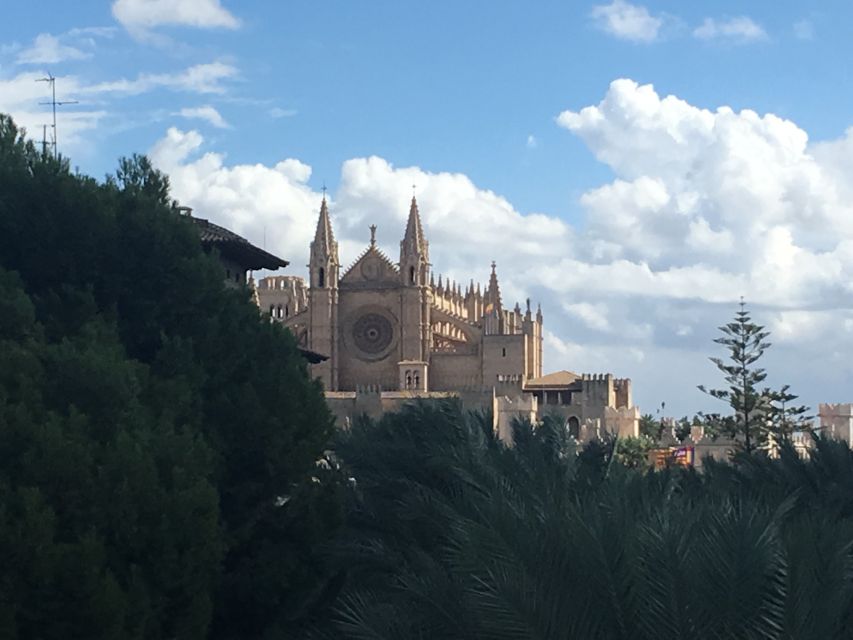
The tour’s first major anchor is La Seu, Palma’s cathedral. If you have ever seen a cathedral from far away and thought, nice, now what, this kind of guided stop gives you a way to look again.
What stands out here is the emphasis on the people behind the building. You are not only told it is important. You hear about builders and architects such as Guillem Sagrera, and that shifts your focus from “big building” to “specific choices made by specific craftsmen.” Even from a walking route where you cannot linger forever, this kind of context helps you notice proportions, style, and how the architecture reads as part of the city.
The cathedral area is also a good moment to reset your bearings. When you come out of a street and suddenly see La Seu in the open, the old town layout becomes clearer. After that, the rest of the walk feels less like wandering and more like following a storyline.
La Lonja Exchange, where money built the city
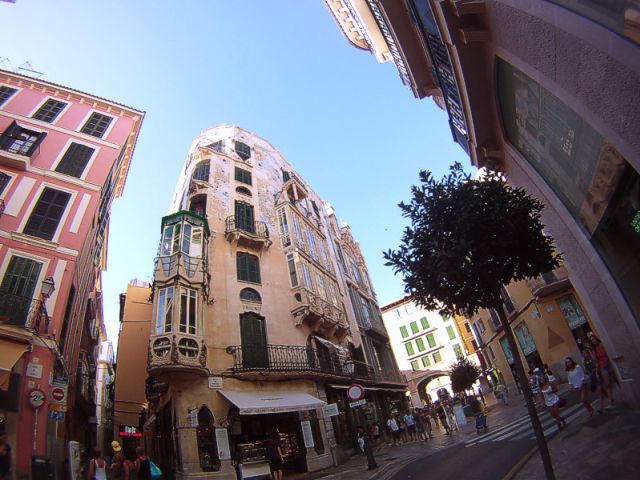
If you want one stop that explains why Palma became powerful, it is La Lonja near the cathedral. This is where the Mediterranean trade story comes to life. You can stand in the area and understand why merchants cared about space, security, and presence.
The tour frames La Lonja as a key piece of Palma’s economic past, tied to the days when the Mediterranean was the center of serious business. That context matters because it changes how you perceive secular buildings. Instead of treating them as pretty walls, you start to see them as instruments of power and planning.
Also, La Lonja is close enough to other highlights that the walking flow feels logical. You do not get the sense you are backtracking. It is a well-placed moment where the cathedral’s religious meaning and the city’s commercial strength sit side by side, in the same neighborhood.
Other ways to spend a day around Mallorca
Consolat de Mar and the secular side of Palma
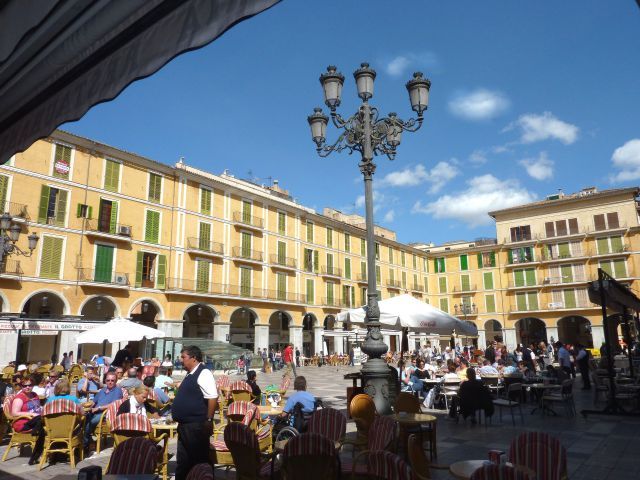
Palma is not only about churches. The tour keeps that balance by including secular landmarks and government-linked places such as Consolat de Mar (listed among the highlights) and nearby civic areas.
This part of the walk helps you notice something: the old town is full of buildings that are not “touristy” in the postcard sense, yet they explain how the city functioned. When you learn the role these buildings played, you start to connect architecture to administration, law, and commerce. That is where a guided tour earns its keep.
It is also a good section for questions, because you will likely want to ask how different periods overlapped in the same streets. A good guide makes those overlaps understandable without drowning you in dates.
Almudaina palace, courtyards, and the patios you will remember
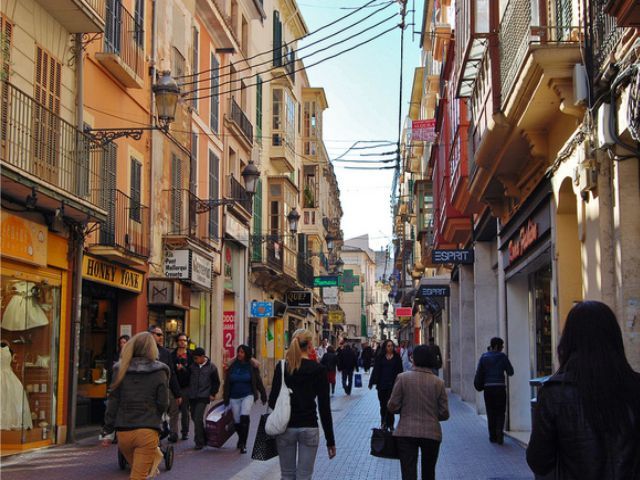
One of the most satisfying aspects of the tour is the focus on patios, the ornate courtyards found in Palma’s buildings. You might walk past an entrance and miss what is special, but with context, you start to look for the details: how light enters, how space is planned, and why courtyards were so important to daily life.
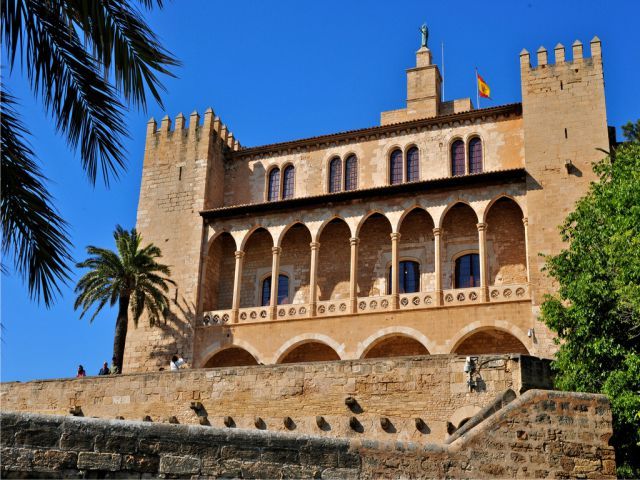
The tour also highlights the Almudaina palace area and brings in the broader theme of influential builders and styles. You may hear about disciples connected to Antoni Gaudí in relation to palaces and manors. Even if you are not a design expert, having that name in your mind helps you recognize the kind of decorative ambition that shows up in certain facades and interiors.
This is one of those tour moments where you stop thinking like a tourist and start thinking like a careful observer. When you leave, you will spot patios again on your own, and that makes the tour feel like a learning tool, not a one-time stop.
Plaça Cort, the city wall, and piecing together neighborhoods
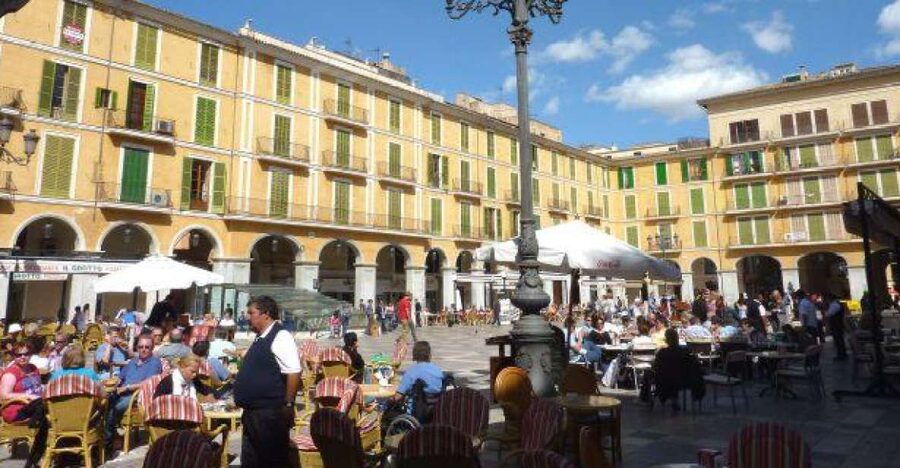
The tour includes Plaça Cort, plus the walk also connects to areas such as the city wall and the Jewish quarter. Those stops matter because they help you understand Palma as a set of neighborhoods shaped by protection, governance, and changing populations.
City walls are not just “old stones.” They are a map of what mattered. When you learn how Palma protected itself and where communities were positioned, the old town becomes more readable. Even if you do not see an entire wall at once, knowing it existed and why it mattered changes your mental map.
Plaça Cort is the kind of square that can look ordinary if you are rushing. Here, it is part of the guide’s bigger argument about how public life unfolded in the city center. A square is not only a photo spot. It is where people gathered, made decisions, and moved through daily life.
Modernisme buildings and Es Baluard, culture beyond the postcard
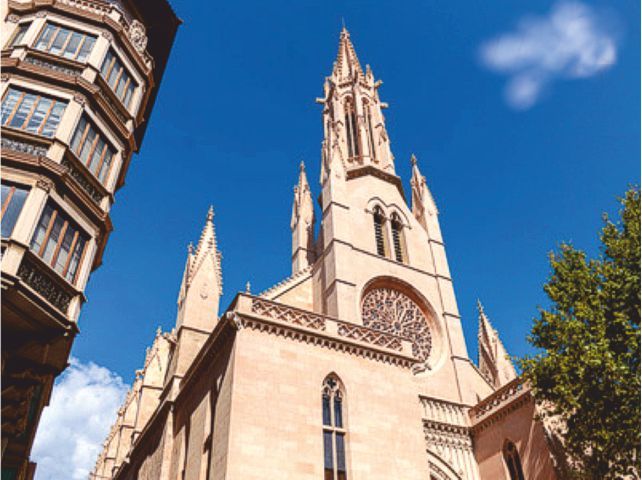
Palma’s architecture has layers, and the tour nudges you to pay attention to modernisme buildings and shifts in style. This is useful if you worry you will only learn about “the big medieval stuff.” You will hear how later styles show Palma kept reinventing itself, not freezing in time.
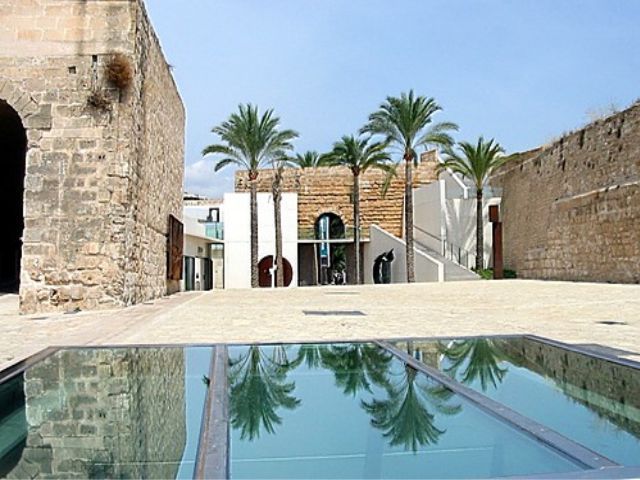
The tour also lists Es Baluard among the highlighted stops. You will likely see the museum from the outside as part of the walking route. Entrance fees are not included, so do not expect the tour to become a full museum visit. Still, this inclusion is valuable because it signals that Palma’s culture is not locked in one era. It is a living city.
If you want to continue independently after the walk, Es Baluard is a good option to consider since you will already have the setting in your head.
Market hall energy and Mediterranean food hints without the food tour
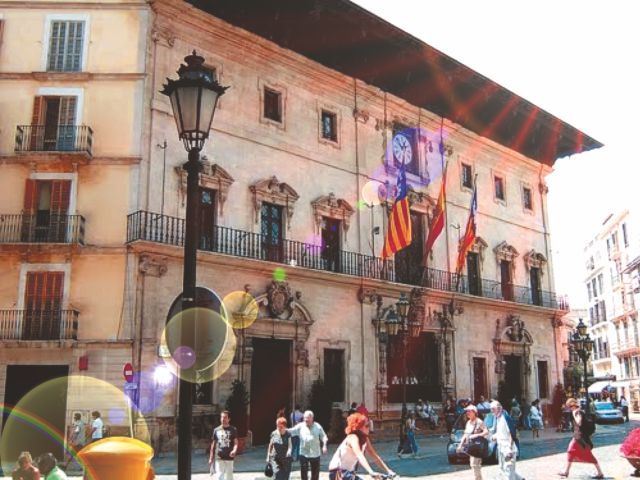
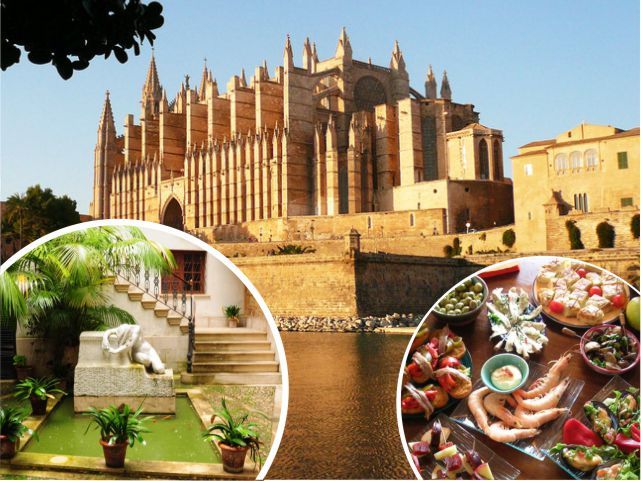
Even without a dedicated food tasting, the tour gives you a sense of culinary variety by including time around a lively market hall. This is more than a photo stop. It helps you connect the architecture story to something practical: foodways and daily life.
If you want to eat well in Palma afterward, this kind of orientation is gold. You leave with a clearer idea of where Mediterranean flavors show up and how markets fit into daily routines. The tour is not promising a full meal, and it does not include food or drinks, but it can set you up for the right next steps.
Tip I like for this kind of stop: after the tour, choose one market-related item you see during the walk and follow that theme for lunch. It makes the city feel connected instead of random.
Guide quality is the whole point, and German-speaking guides shine here
A lot of walking tours are “see this, see that.” This one is more about guidance and explanation. The overall rating is extremely high, and what people praise most is the guide’s command of detail and the feeling of being led by someone who knows the city from the inside.
From the guides’ names shared in bookings, you might meet Maja, Maya, or Yvonne on a German-language tour. That is not guaranteed, but it hints at the consistency in who leads these walks. In practice, that means you are likely to get more than a list of facts. You should get stories, architectural context, and answers to questions.
If you book the join-in option, the live guide language is German. If you want English or French, choose the private tour option, which is available in English, French, and German. That choice matters because history and architecture can get complicated fast. If you understand the language well, the whole experience gets easier to enjoy.
Price and value: what $46 buys you in Palma
At $46 per person for about two hours, this tour is priced like a solid city-orientation product. You are paying for two things: the guide and the time saved. The guide does the hard work of turning architecture into understanding, and you do not waste half a day figuring out what matters most.
Also, entrance fees are not included. That is normal for a walking tour, but it affects value if you were hoping everything was covered. If you plan to go inside La Lonja, La Seu, or Es Baluard separately, factor that into your total budget. If you are happy just viewing from the street level and learning what you are seeing, the price feels more straightforward.
Compared to doing everything solo, the value here is the “connective tissue” between stops: why the places relate to each other and how the city’s past explains its shape today.
Who should book this Palma old town walk
This tour is a strong fit if you want:
- A guided way to understand architecture, not just a highlights checklist
- A short, efficient walk that covers the essentials without eating up your whole day
- The old town story framed around the Mediterranean trade era and later changes
It also suits you if you like asking questions. The tour style is set up for interaction, and the best part of a good guide is how they handle your curiosity.
You might skip or switch plans if:
- You need wheelchair access, since it is not suitable for wheelchair users
- You are traveling with large luggage, since it is not allowed
- You want a lot of museum time, since entrance fees and full visits are not included in the tour package
Should you book this Palma Old Town Guided Tour?
I think you should book it if you want your first Palma day to be useful. The route covers the big identity points, but the bigger win is the explanation, especially around La Seu, La Lonja, and the patios that make Palma feel like a real lived-in city.
Choose the German join-in tour if you are comfortable with German. If not, go for the private option in English or French so you get the full benefit of the architecture and history talk. And wear comfy shoes, since you will spend the time on your feet.
If you want Palma the way locals talk about it, this is a good way to get there fast.
FAQ
How long is the guided tour of Palma’s old town?
The tour lasts about 105 minutes to 2 hours.
What is the price per person?
The price is $46 per person.
Where do I meet the guide?
The meeting point may vary depending on the option booked. The provided starting point is Av. d’Antoni Maura, 22.
Is the tour in German only?
The live tour guide language for the tour is German. Private or small-group tours are available in English, French, and German.
Are entrance fees included?
No, entrance fees are not included.
Is food or drinks included?
No, food and drinks are not included.
What should I bring?
Bring comfortable shoes.
Is luggage allowed?
No, luggage or large bags are not allowed.
Is this tour suitable for wheelchair users?
No, it is not suitable for wheelchair users.
Is there free cancellation?
Yes. You can cancel up to 24 hours in advance for a full refund.
Is there a reserve now, pay later option?
Yes. You can reserve now and pay later, keeping travel plans flexible.
Fresh on the Island
- History, Architecture and Legends of Palma de Mallorca★ 5.0 · 1 review
- Deluxe Excursion in Palma De Mallorca and Valldemossa★ 5.0 · 1 review
- Palma de Mallorca Private Boat.Adventure from the Sun to the Stars★ 5.0 · 1 review
- Half-day trip to the Drach Caves★ 5.0 · 1 review
- Mallorca: 4-Hour Retreat of Yoga, Meditation & Magic Vibes★ 5.0 · 1 review
- Coasteering northern area Mallorca (Alcudia)★ 4.0 · 1 review
- Mallorca: individually guided hiking tours, city, coast, almond blossom★ 5.0 · 1 review
- 8-Hour Formentor and Sineu Market with boat trip Tour in Mallorca★ 4.0 · 1 review
Old Town Tours, compared.
Palma de Mallorca Old Town Guided Bike Tour (Small Groups)
Read our review →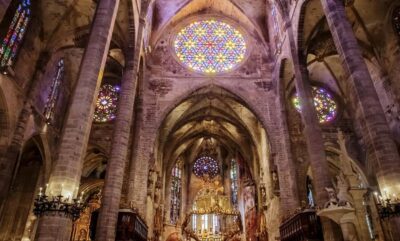
Pottery Making in the Heart of Palma’s Old Town
Read our review →Browse the lists this tour appears in