Reviewed · TICKETS
Mallorca: Campanet Caves Entry Ticket
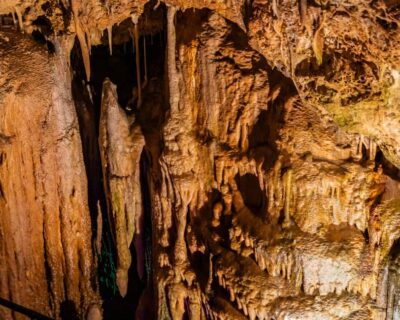
Mallorca’s underground cathedral is quiet and cool. I like that Campanet Caves sit at the foot of the Serra de Tramuntana UNESCO area, and you walk through a cave system shaped over millions of years. I love the sheer variety of stalactites and stalagmites, plus the way the visit is short enough to fit into real travel days.
One thing to note: this is mostly a self-guided experience, and there is no audio guide included, so if you want a lot of spoken explanation, you may feel a bit shortchanged. The cave is also not a place for strollers, food, or drinks, so plan accordingly.
In This Review
- Key points before you go
- Campanet Caves under the Serra de Tramuntana, why this place matters
- Your 40-minute self-guided cave walk through three chambers
- What to look for inside: stalactites, stalagmites, and big collapse rooms
- Geology and paleontology notes you can actually use
- Value for $20: when this ticket feels like a bargain
- Logistics that matter: shoes, rules, and a cave you can’t snack in
- Timing and language: getting the most out of your 40 minutes
- Who should book Campanet Caves?
- Should you book this Campanet Caves entry ticket?
- FAQ
- How long is the Campanet Caves visit?
- Is the cave tour guided or self-guided?
- What is included in the ticket price?
- Do I get an audio guide with this ticket?
- What should I wear or bring?
- What is the cave temperature like?
- What items are not allowed in the cave?
Key points before you go
- 40-minute self-guided route through three cave chambers, so you can keep moving without waiting around
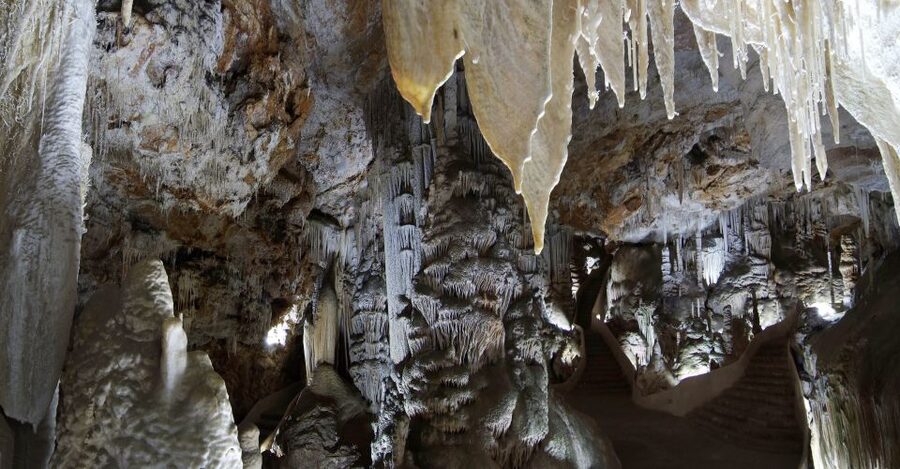
- Crystalline formations like stalactites and stalagmites, plus larger collapse chambers to look for
- Geology with paleontology context, including mention of biological and paleontological findings
- Serra de Tramuntana UNESCO surroundings add extra meaning to the setting, even before you enter
- Plan for a constant cave temperature around 22 C, with comfortable shoes
Other ways to spend a day around Mallorca
- Palma: Cathedral of Mallorca Skip-the-Line Entry Ticket
★ 4.6 · 14,386 reviews - Porto Cristo: Caves of Hams Entry Ticket
★ 4.2 · 6,548 reviews - Mallorca: Palma Aquarium Entry Ticket w/ Optional 3D Cinema
★ 4.5 · 3,076 reviews
Campanet Caves under the Serra de Tramuntana, why this place matters
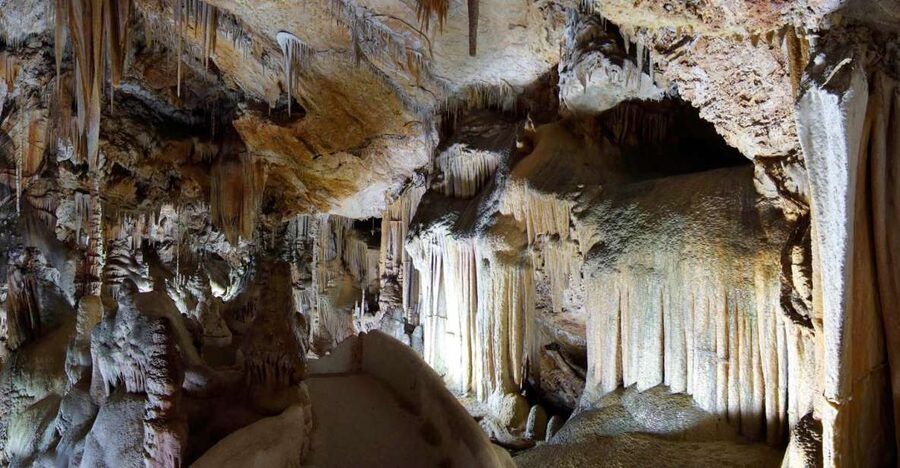
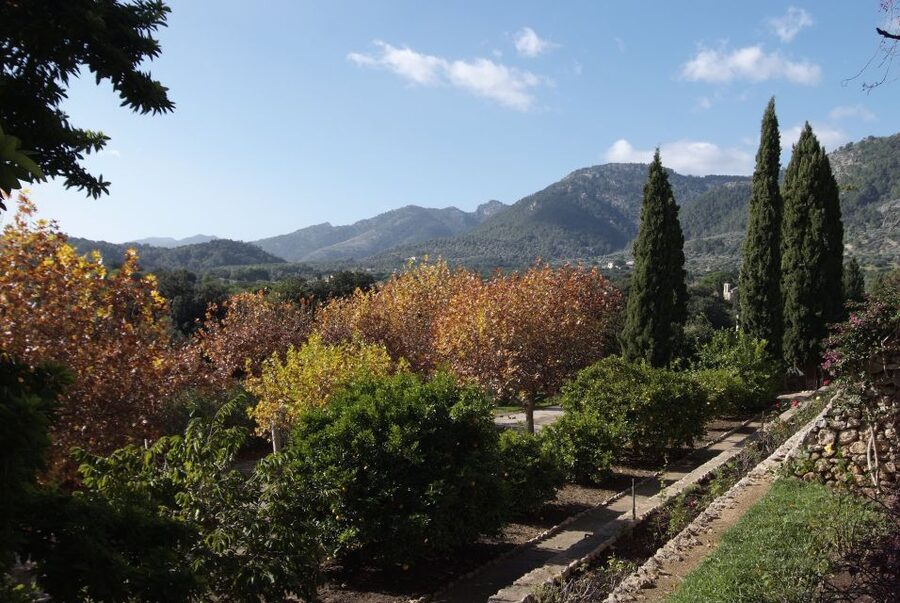
Campanet Caves are at the base of the Serra de Tramuntana, the mountain range UNESCO recognized in 2011. That matters because it gives the visit more than just pretty rocks. You’re walking through a cave system in a region that’s known for geological importance, and the experience focuses on how water, stone, and time work together.
Inside, the cave is built for simple, satisfying exploring. You do not have to navigate a maze. You follow a route through multiple chambers and spend enough time to really see details, without turning it into a long, tiring slog. At $20 per person, it sits in the “worth it if you’re there for the cave itself” category, not the “half-day tour with lots of added extras” category.
Your 40-minute self-guided cave walk through three chambers
The core of this ticket is a self-guided visit that lasts about 40 minutes. Think of it as a curated walk where the cave is the main character, not a stage show.
You’ll move through three different chambers that have existed for millions of years. Each space has its own feel, and that’s the trick here. You’re not just seeing stalactites in one room and then leaving. You’re stepping through different sections of the cave system and gradually noticing how formations change as the chambers open up.
In plain terms, here’s what you should expect from the route:
- First chambers: a chance to get your eye trained on crystal forms and how they hang from above or rise from the floor
- A large collapse chamber area: bigger, more dramatic space where the cave’s natural interior looks dense and rich
- Final stretch: time to slow down, look closer, and connect what you’re seeing with the geology and paleontology notes
Because it’s self-guided, you’re in control of your pace. If you stop for photos, you can. If you want to move fast, you can. Just remember the visit is timed around that 40-minute window, so don’t treat it like a slow museum crawl.
What to look for inside: stalactites, stalagmites, and big collapse rooms
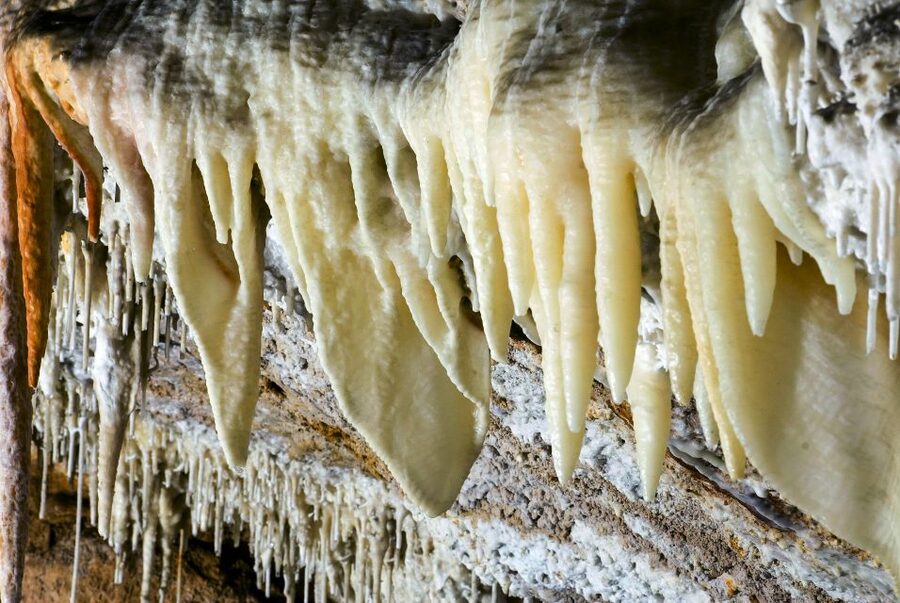
The headline features are the classics, stalactites and stalagmites, but the payoff is in how varied they are across chambers. Water sculpted these shapes over thousands of years, and the cave does not feel like a single uniform sculpture. It feels like a collection of different moments, frozen in stone.
Here’s what I’d focus on during your walk:
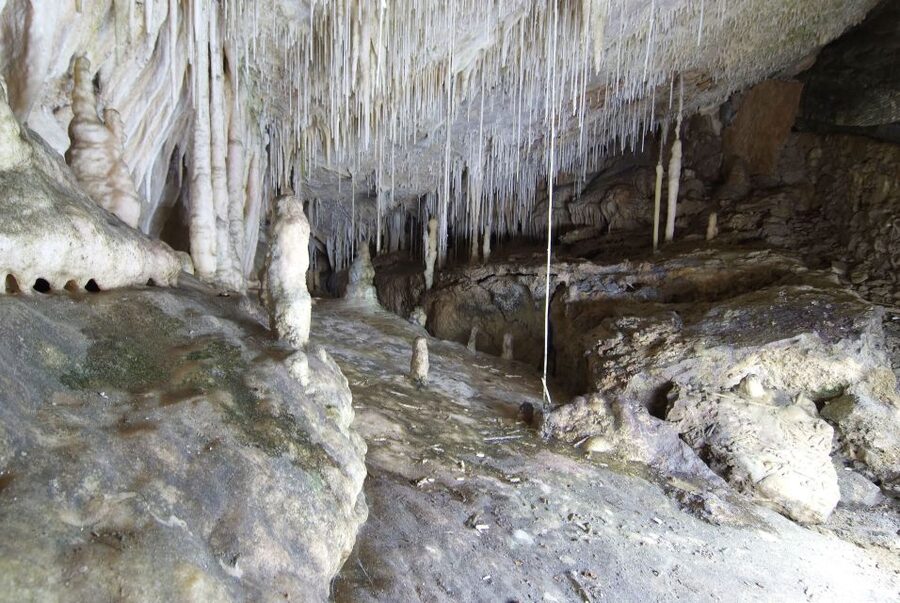
- Stalactites (from the ceiling): look for patterns in thickness and how they taper, because that helps you understand the slow process water creates
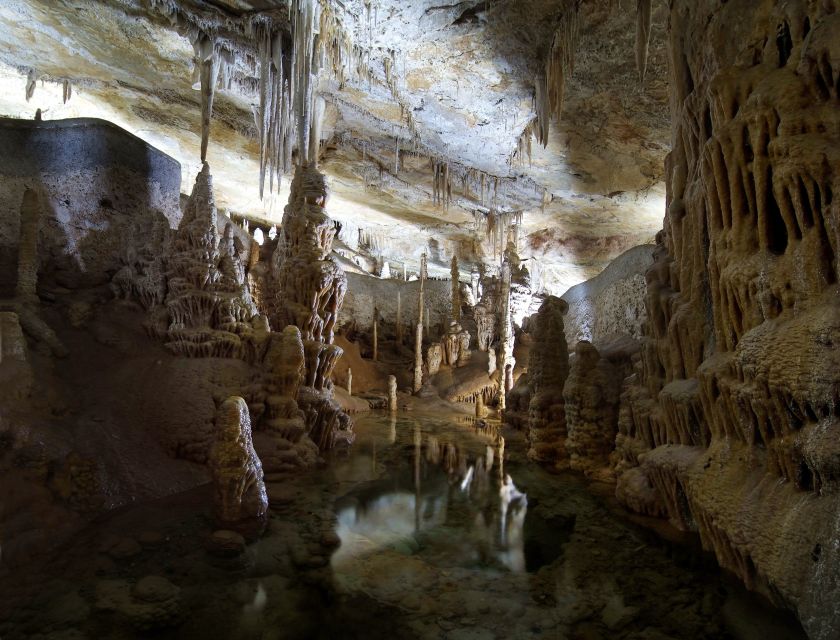
- Stalagmites (from the floor): notice how some rise taller and thicker, which can make the floor look almost textured
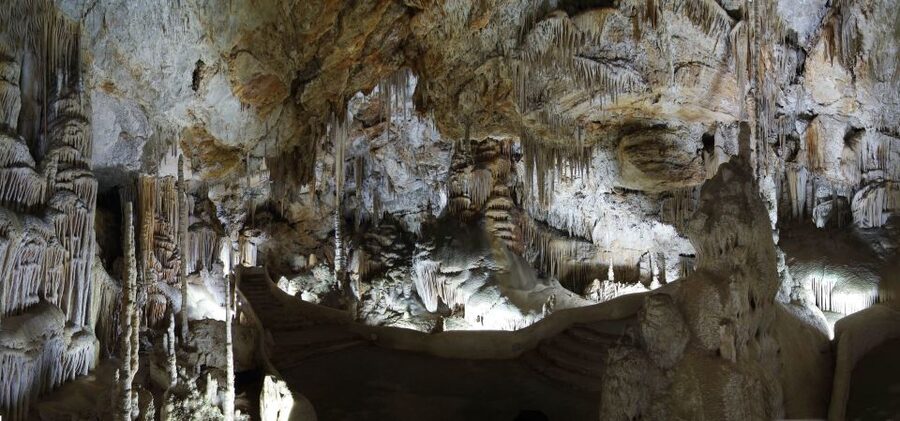
- Collapse chambers: these larger rooms give you a stronger sense of scale. The cave’s interior is described as rich with natural crystals, and you’ll want to look up and then shift your gaze down to compare what you’re seeing
One practical tip: the cave is not warm and steamy like some underground sites. It’s about 22 C throughout the year, so you’ll likely feel comfortable enough to enjoy the walk. Still, cave air can feel cooler than the outside, especially if you’re coming in from a sunny day.
Geology and paleontology notes you can actually use
This ticket isn’t only about pretty rock shapes. You’re also given information about the geology of the region and why the cave matters for paleontology. Even without a live guide, this is the kind of add-on that makes the visit feel more meaningful.
What you’re told to connect during the walk:
- The formations are linked to water and mineral processes over long timescales
- The cave is important for understanding paleontological and biological findings in the caves
- The Serra de Tramuntana setting is part of why the geology here is worth studying
If you’re the type who normally skips interpretive signs, give them a fair shot here. You’ll get more out of the stalactite and stalagmite spotting once you understand what the cave is trying to teach. And if you like science but hate lectures, this format is a good compromise. You learn in small chunks as you walk.
Boats, caves, and mountain roads — Mallorca rewards a rental car or a good captain.
Value for $20: when this ticket feels like a bargain
At about $20 per person, the value comes down to what you want from the cave. If your goal is to see crystal formations up close, take a relaxed stroll, and spend under an hour underground, this ticket usually makes sense.
Here’s why it can feel like good value:
- The route is short enough to fit into nearly any Mallorca plan
- You get entry to a cave system known for impressive crystalline formations
- The visit includes time to notice details, not just a quick pass-through
- The setting near UNESCO recognized terrain adds context without adding extra cost
Still, I’ll be honest about where people can get disappointed. Because it’s self-guided and no audio guide is included, you need to be comfortable learning by reading on-site materials. If you’re expecting a guide to explain everything, the experience may feel more like an admission ticket than a full guided tour.
Also, this is not a “rainy day fallback where you’ll magically get a ton of extras.” It’s a cave visit. That’s a compliment, not a complaint. If the cave is your priority, you’ll likely be happy with the trade.
Logistics that matter: shoes, rules, and a cave you can’t snack in
Before you go, plan around the cave rules. Some are common-sense, but they shape your comfort level.
Bring:
- Comfortable, sturdy shoes. The cave is a walking experience, and your footing matters.
Plan for these restrictions:
- No baby strollers
- No smoking
- No food or drinks (and that includes bringing snacks into the cave)
- No drones
- No bikes
- No littering and no chewing gum
One more note that’s genuinely useful: the cave temperature is around 22 C all year. That means you don’t need thick winter gear, but you should still dress for walking comfortably and keep footwear reliable.
If you’re traveling with kids, the stroller ban is worth flagging early. This isn’t the kind of site where you can easily “carry the day” with a cart. If you have young children who can walk, you’ll be fine. If you rely on a stroller for mobility, you’ll want another activity option.
Timing and language: getting the most out of your 40 minutes
The ticket includes entry and the self-guided route. There’s no mention of a full guided talk during the visit itself. What you do get is entry plus an English, German, or Spanish host or greeter.
That matters in two ways:
- You can expect support when you arrive, but the cave exploration is on your own
- The language you’ll see around the site is relevant, so you can still follow what you’re looking at
Timing can change how it feels. The cave walk is only 40 minutes, so your schedule matters. If you want breathing room to look closely, choose a time slot that helps you avoid the busiest feeling. Early or mid-day decisions tend to work better for many visitors, simply because you can better match your pace with the cave’s timed flow.
Who should book Campanet Caves?
This ticket is a strong match for:
- People who like formations and want an easy underground walk without extra tour pressure
- Travelers who enjoy science facts on signage and can read their way through a short route
- Anyone who wants a compact visit that doesn’t swallow an entire day
It’s less ideal if:
- You’re hoping for a guided commentary and an audio guide
- You rely on a stroller for getting around
- You want to bring snacks or drinks into the cave
Should you book this Campanet Caves entry ticket?
I’d book it if your main goal is to see stalactites, stalagmites, and large crystalline cave chambers, and you’re comfortable with a self-guided, about-40-minute visit. The price is fair when you treat it as entry plus time in the cave, not as a full-service tour.
I’d skip it or choose a different option if you need extensive explanations in a spoken format, or if your ideal cave experience includes amenities like an audio guide. Also, if you’re traveling with a stroller, this one will be a mismatch.
If you want a simple, geology-minded cave stop near the Serra de Tramuntana UNESCO area, this ticket fits Mallorca travel well. Plan your timing, wear good shoes, and use your 40 minutes like a pro, looking up, then down, then slowing down long enough to let those formations make sense.
FAQ
How long is the Campanet Caves visit?
The self-guided tour lasts about 40 minutes.
Is the cave tour guided or self-guided?
It’s self-guided. You enter the cave and explore on your own during the 40-minute visit.
What is included in the ticket price?
The ticket includes cave entry and the 40-minute self-guided tour.
Do I get an audio guide with this ticket?
No. An audio guide is not included.
What should I wear or bring?
Wear comfortable shoes. Sturdy, comfortable footwear is recommended.
What is the cave temperature like?
The interior of the cave is about 22 degrees Celsius throughout the year.
What items are not allowed in the cave?
Baby strollers are not allowed. Food and drinks are not allowed, and drones, bikes, smoking, chewing gum, and littering are also prohibited.
Fresh on the Island
- Private Charter Boat Tour in Mallorca★ 5.0 · 39 reviews
- Boat tour Cala Figuera, Es Pontas, Caló de Moro, Cala Marmols★ 4.5 · 39 reviews
- Cocktail course Mallorca★ 5.0 · 40 reviews
- Mallorca: Marineland Tickets with Transfers from the North★ 4.6 · 40 reviews
- Coasteering Mallorca★ 5.0 · 40 reviews
- Palma: tickets for the FoKO immersive gallery★ 4.8 · 41 reviews
- Shore Excursion: Coasteering in Mallorca★ 5.0 · 40 reviews
- Mallorca: Artestruz – Ostrich Farm Ticket Entrance★ 4.7 · 42 reviews
Tickets, compared.

Cathedral of Mallorca Skip-the-Line Entry Ticket
Read our review →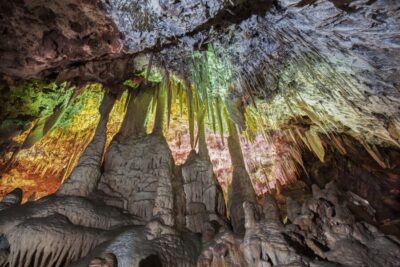

Palma Aquarium Entry Ticket w/ Optional 3D Cinema
Read our review →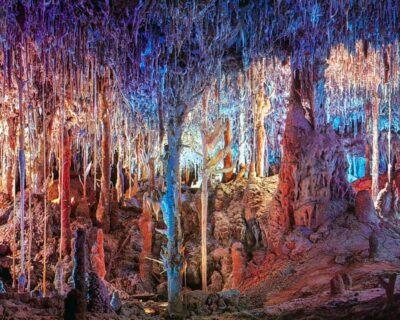
Dinosaurland and Caves of Hams Combined Ticket
Read our review →