
Reviewed · SóLLER TOURS
Sóller: Jardines de Alfabia Entrance Ticket
Sóller’s Alfabia feels like a time machine you can walk through. You get a 500-year-old house, then step into Arab-style gardens set in the Tramuntana mountains. It is the kind of stop that makes you slow down, not sprint.
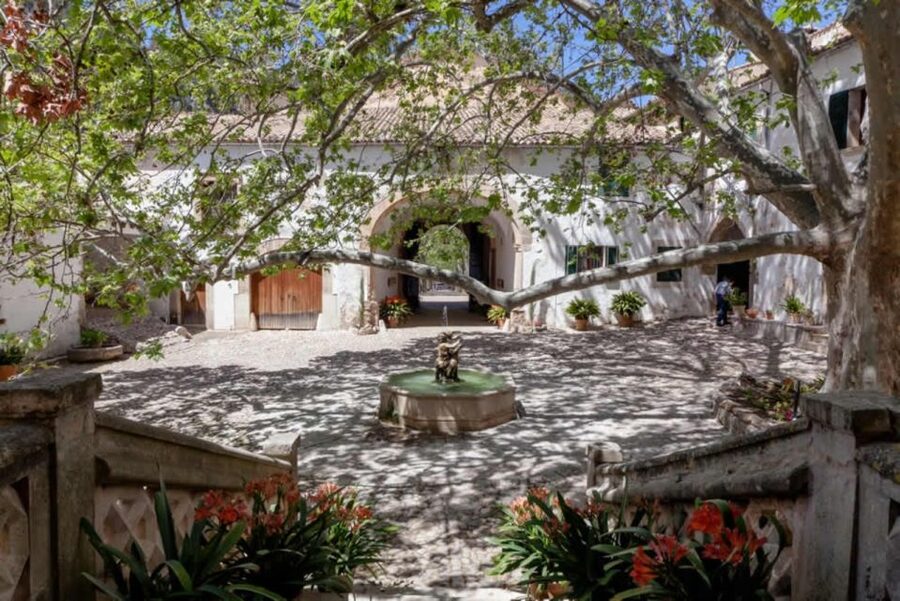
I love how the complex turns into one balanced story, with Roman-Andalusian roots and layers of Arabic, Gothic, Renaissance, Baroque, Roman, Rococo, and even English decoration all in the same place. I also love the garden approach: a wide avenue with three lanes of plane trees leading you toward a traditional Mallorcan patio, plus water fountains and hydrangeas. The one drawback to keep in mind is seasonal expectations. In some months, you may find fewer flowers and a garden that looks less lively than your spring daydream.
In This Review
- Key things that make Alfabia worth your time
- Alfabia in Sóller: a UNESCO stop that feels calm, not crowded
- The 500-year house: where Roman-Andalusian roots meet centuries of style
- What you should look for as you walk
- A practical consideration
- Garden walk 101: the English-influenced avenue, fountains, and hydrangeas
- The sensory payoff you can actually plan for
- Best way to pace your visit: house first, then the garden stroll
- A small timing tip that changes your experience
- When to go: how season affects flowers and garden feel
- My recommendation
- Price and value: $11 for house + gardens in the Tramuntana
- Getting there from Palma and getting around once you arrive
- Public bus option from Palma
- Train option: the Sóller line
- Once you are there
- Practical details that matter on the day
- Who should book Alfabia, and who might want to skip
- Should you book the Sóller: Jardines de Alfabia Entrance Ticket?
- FAQ
- How much does the Sóller: Jardines de Alfabia Entrance Ticket cost?
- How long is the visit?
- What is included with the ticket?
- What time should I plan my arrival?
- Where is the best public transportation option from Palma?
- Can I reach Sóller by train?
- Is the ticket valid for more than one day?
- Will I need to wear anything during the visit?
Key things that make Alfabia worth your time
- A house that shows eras in the walls, from Roman-Andalusian roots to Arabic, Gothic, Renaissance, Baroque, and Rococo touches
- Garden design influenced by English taste, with a broad avenue guiding you deep into the property
- Three lanes of plane trees, a simple idea that makes the whole walk feel dramatic
- Fountains and hydrangeas give the gardens a cool, sensory payoff
- Tramuntana UNESCO setting, so the views and the atmosphere feel part of the experience
A town built on orange groves
- Soller: Sa Calobra & Cala Tuent Speedboat Tour
★ 4.7 · 1,513 reviews - Alcudia/Marratxi: Valldemossa & Soller Tour by Tram & Bus
★ 4.7 · 499 reviews - Mallorca Full-Day VIP Tour: Valldemossa, Deià & Sóller Experience
★ 5.0 · 270 reviews
Alfabia in Sóller: a UNESCO stop that feels calm, not crowded
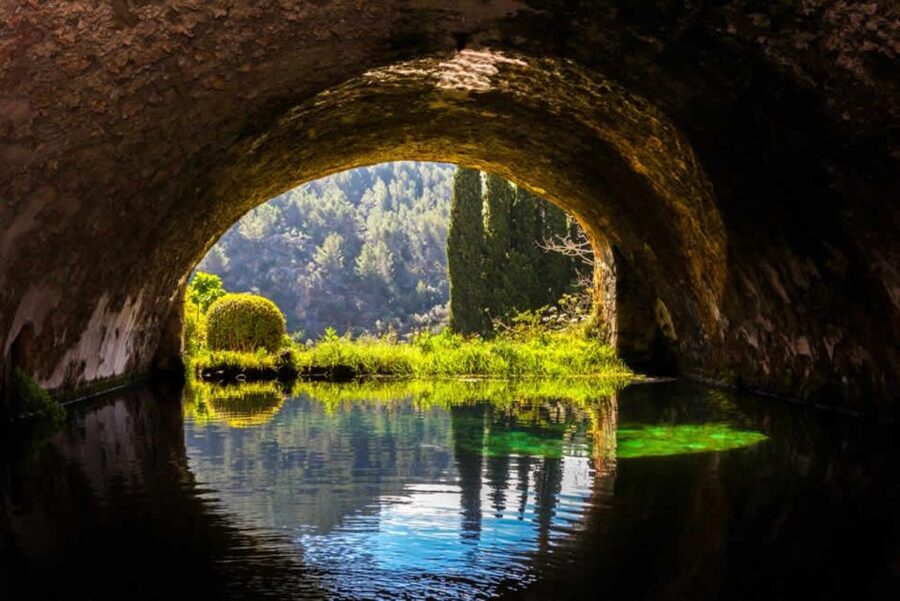
Alfabia is in Sóller, on the edge of the Serra de Tramuntana, the UNESCO World Heritage landscape that wraps around Mallorca like a green spine. This matters because the setting does not just sit in the background. The mountains and light help make the house and gardens feel grounded, and the air often feels a touch cooler than the coast.
This is not a museum you power through in 25 minutes. It is more like a beautifully maintained pause button. You wander at your own pace, taking in the house, then switching gears to the garden paths and courtyards. I especially like that the design tries to keep everything harmonious, so you do not feel like you are constantly switching attractions.
And yes, there is a lot of styling and period mixing. But it is not chaotic. It is presented as a gradual evolution, as if time itself was allowed to add chapters instead of ripping pages out.
The 500-year house: where Roman-Andalusian roots meet centuries of style
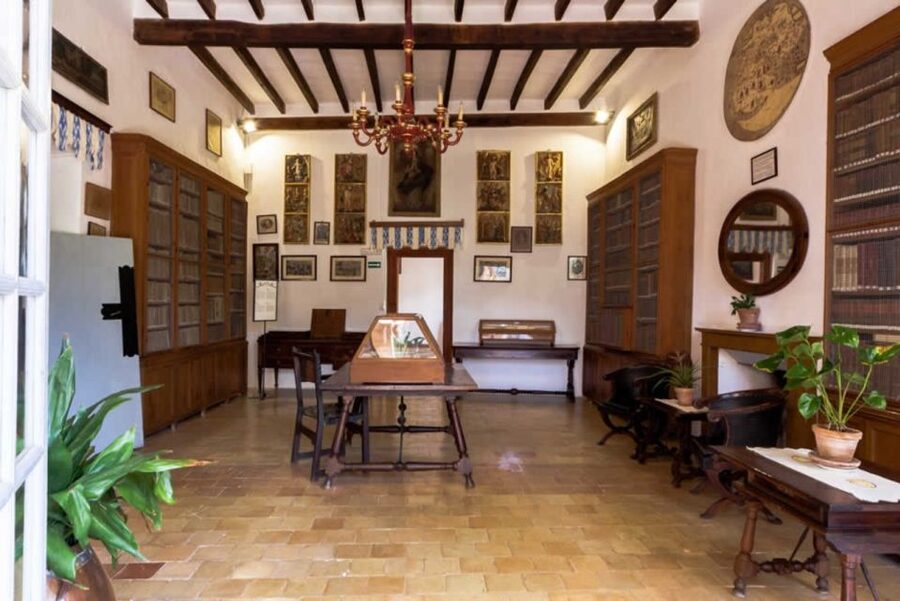
The house is the star, and it earns the attention. You are looking at one of Mallorca’s oldest buildings, with over 500 years of history. What I find most satisfying is not just the age, but the way the complex explains evolution through architecture and decoration.
Inside, you will see a combination of Roman-Andalusian roots plus elements from multiple periods: Arabic, Gothic, Renaissance, Baroque, Roman, Rococo, and English decoration. That is a lot of influences to juggle, but the overall effect is meant to feel balanced. Think of it like a conversation between eras, where later styles do not cancel what came before.
What you should look for as you walk
- The way details feel layered, not replaced. You can often sense that older foundations stayed, while decoration evolved.
- The “fit” of styles. When a complex like this works, it is because proportions and atmosphere keep everything in line.
- The mood of rooms and corners. This place is known for charming corners and a traditional feel that makes you want to stop, not just glance.
A practical consideration
If you love architecture, you will get more from it by taking your time. If you want one fast highlight and then out, you might feel like the pace is slow. This is still a worthwhile entry ticket, but plan to enjoy the walk between house spaces and garden paths.
Other ways to spend a day around Mallorca
Garden walk 101: the English-influenced avenue, fountains, and hydrangeas
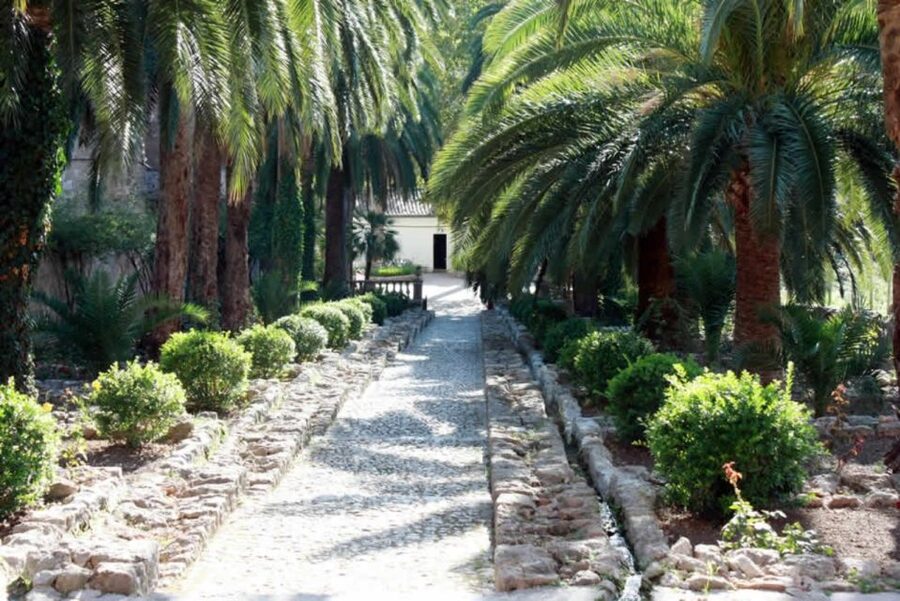
Then you switch scenes. The gardens are where Alfabia gets under your skin, because the design nudges you with very simple tools: shade, symmetry, and a clear route forward.
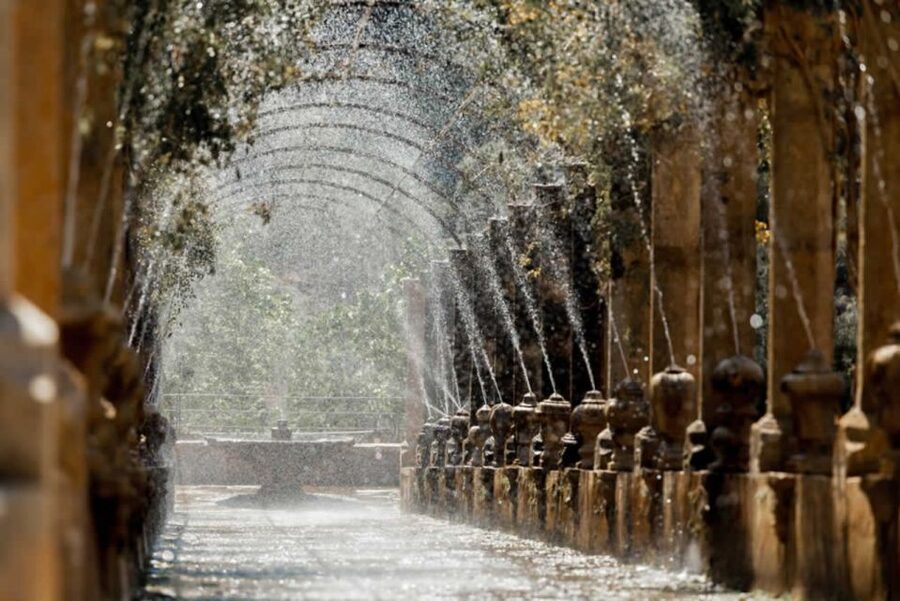
A wide avenue guides you toward the traditional Mallorcan patio. It is built from three lanes of large plane trees, which is a detail that matters more than you might expect. Three lanes means you feel the rhythm of the walk, like the garden is slowly unfolding in front of you. Add water features and planting, and the whole place becomes more than “pretty greenery.”
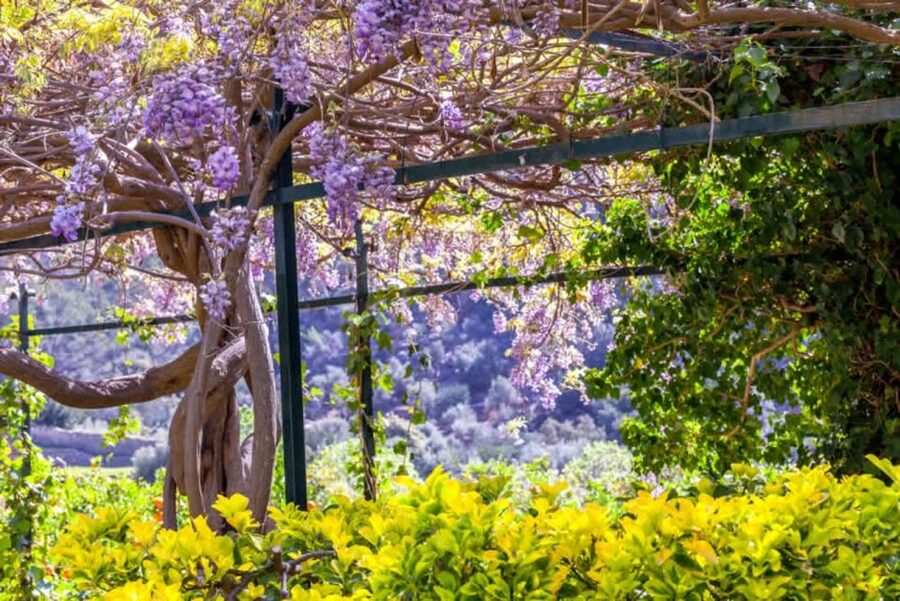
You will also find fountains, and hydrangeas are a key highlight. In photos they can look like a single moment, but on-site they contribute to that cooling, calming garden mood.
The sensory payoff you can actually plan for
This is the part you can manage based on season. In early spring, you are more likely to see fuller growth and more color. In colder months, the garden can still be lovely and clean, but flowering can be lighter, and the feeling may be more about trees, structure, and atmosphere than blooms.
I always tell people this kind of garden is a season game. If you arrive during a quieter flowering window, you still get design, shade, and fountains. Just do not expect the same “everything is blooming” moment you might see in spring.
Best way to pace your visit: house first, then the garden stroll
Because this is an entrance ticket to a complex, you control the flow. But I have a simple pacing strategy that works well.
I like to start with the house first, when I can focus without feeling distracted by movement. The house layers and period details reward slower attention. Then I move outside for the garden walk, so the change from enclosed rooms to open air feels like a reset.
Other visitors may prefer the opposite, especially if the garden cool shade is what they want first. Both can work, as long as you do not treat it like a checklist.
A small timing tip that changes your experience
Do not rush the middle. The long avenues and the transition to the patio are where the place becomes memorable. If you speed through early, you often end up standing still later, trying to catch up mentally.
When to go: how season affects flowers and garden feel
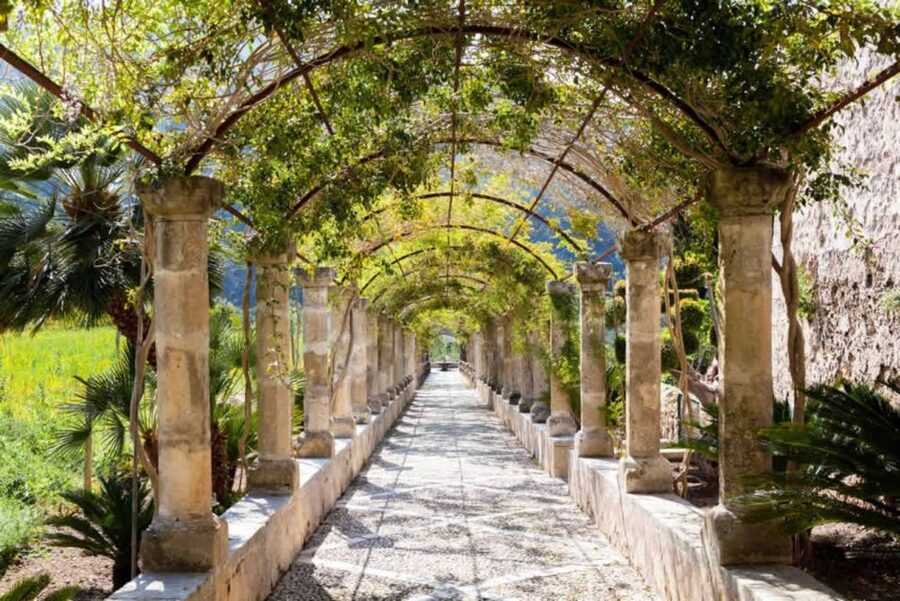
Alfabia can be wonderful in winter and shoulder seasons, but here is the truth you should plan around: flower intensity changes. Hydrangeas and general garden bloom can be stronger when plants are waking up, and lighter when the season is less generous.
Some people end up delighted even in February, praising the gardens as beautiful and charming. Others walk in expecting a lush floral peak and feel disappointed when there is less blooming and fewer flowers. That is not a guarantee, but it is a pattern worth respecting.
My recommendation
- If you want maximum flower impact, aim for early spring.
- If you prefer calm and shade and you love structure and trees, even the quieter months can still feel rewarding.
- If you are going during a naturally slow flowering period, give extra attention to the design, the fountains, and the plane tree avenue. That is what keeps the visit satisfying.
Price and value: $11 for house + gardens in the Tramuntana
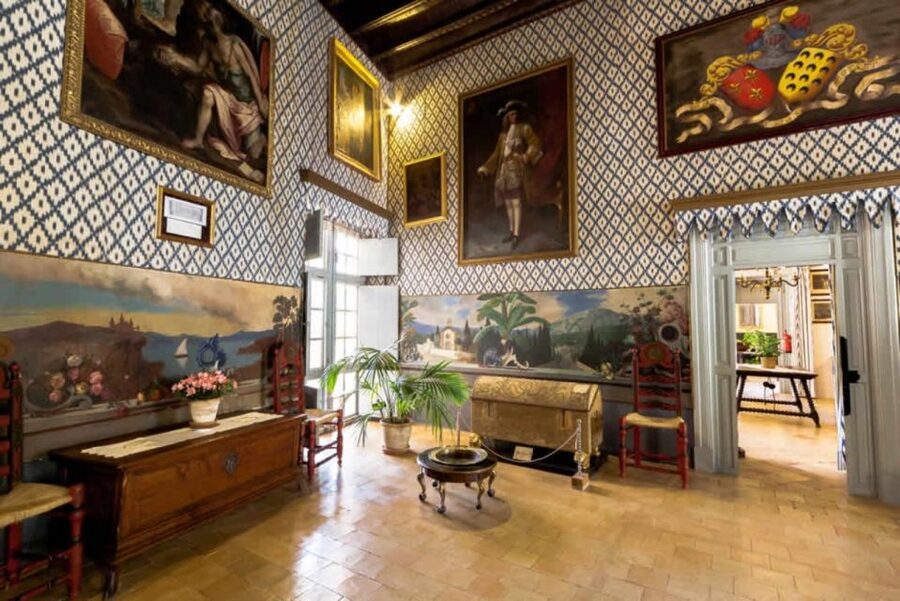
At about $11 per person for entrance, Alfabia is a strong value if you like gardens, architecture, and slow travel. You are not just paying to see one object. You are getting a whole complex: house interiors plus the garden system around it.
For that kind of entry cost, the key question is not whether it is cheap. It is whether you will spend enough time to absorb it. If you stick to 20 minutes total, the value will feel average. If you give it a full, unhurried visit, it feels like you got your money’s worth.
Also, the UNESCO context adds meaning. This is a place where the broader Tramuntana setting supports the experience, instead of feeling like generic backdrop.
Getting there from Palma and getting around once you arrive
You have a couple of good options.
Public bus option from Palma
You can reach the area by public transportation using Palma Line 211. Departure times are listed on the TIB site here: https://www.tib.org/es/web/ctm/autobus/linia/211
Train option: the Sóller line
You can also use the Sóller train. Check departure times here: http://trendesoller.com/horarios
Once you are there
Because this is an entrance ticket to a fixed site, you do not need special movement planning on-site. You just need comfortable shoes and time. The main paths through the garden and between the house areas are where the experience lives.
Practical details that matter on the day
A few things can make or break the day if you are not paying attention.
- Last entrance is 60 minutes before closure. If you show up late, you may not get the full experience.
- You may be asked to wear an identification bracelet during the visit. Plan around that by keeping it simple with your appearance and belongings.
- The ticket is valid for 1 day, and starting times are based on availability, so you should pick a time window that matches your pace.
I also suggest building in buffer time. Garden visits are usually the type where you keep wanting to stop for one more look.
Who should book Alfabia, and who might want to skip
This ticket is best for you if:
- You like historic buildings and enjoy seeing different style layers in one setting.
- You want a garden visit that feels designed, not random.
- You enjoy UNESCO areas beyond the usual scenic viewpoint stops.
- You prefer calm wandering over scripted attractions.
It may be less ideal if:
- You are visiting on a tight schedule and need a fast, single highlight.
- You want only peak-flower gardens in every season. Flower intensity can vary, and some months feel less floral.
If you fall somewhere in the middle, it still works. Just adjust expectations based on season, and focus on the design, fountains, and the plane tree avenue, not only on flowers.
Should you book the Sóller: Jardines de Alfabia Entrance Ticket?
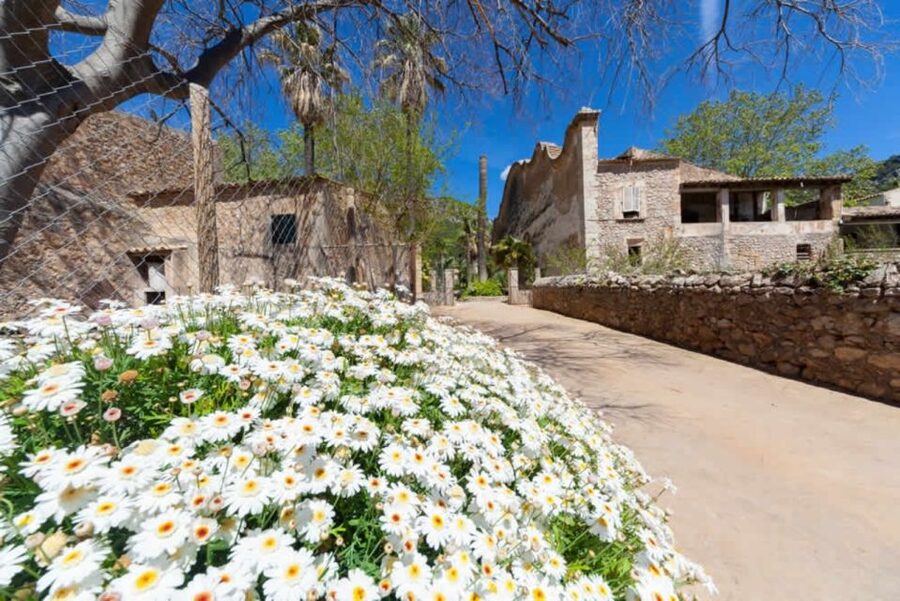
If you like your travel with a slow pulse, I think you should book it. For around $11, you get a 500-year house, multi-era decoration, and Arab-style gardens with a distinctive English-influenced garden plan. That combination is rare: one ticket, two moods, and a UNESCO setting that makes the day feel more meaningful than a quick photo stop.
My call: book it if you will give yourself time to wander. Skip it or rethink if you are expecting a nonstop flower show regardless of season, or if you need a very fast attraction.
If you want a day that blends history, garden design, and a peaceful pace, Alfabia is a solid yes. Just plan around the last entry window and match your timing to the garden mood you want.
FAQ
How much does the Sóller: Jardines de Alfabia Entrance Ticket cost?
The ticket price is listed as $11 per person.
How long is the visit?
The duration is listed as 1 day.
What is included with the ticket?
The ticket includes entrance fees.
What time should I plan my arrival?
The last entrance is 60 minutes before closure.
Where is the best public transportation option from Palma?
You can use Palma Line 211. Departure times are listed on the TIB website: https://www.tib.org/es/web/ctm/autobus/linia/211
Can I reach Sóller by train?
Yes. You can use the Sóller Train, and departure times are available here: http://trendesoller.com/horarios
Is the ticket valid for more than one day?
No. It is valid for 1 day.
Will I need to wear anything during the visit?
You may be asked to wear an identification bracelet during the visit.
Fresh on the Island
- History, Architecture and Legends of Palma de Mallorca★ 5.0 · 1 review
- Deluxe Excursion in Palma De Mallorca and Valldemossa★ 5.0 · 1 review
- Palma de Mallorca Private Boat.Adventure from the Sun to the Stars★ 5.0 · 1 review
- Half-day trip to the Drach Caves★ 5.0 · 1 review
- Mallorca: 4-Hour Retreat of Yoga, Meditation & Magic Vibes★ 5.0 · 1 review
- Coasteering northern area Mallorca (Alcudia)★ 4.0 · 1 review
- Mallorca: individually guided hiking tours, city, coast, almond blossom★ 5.0 · 1 review
- 8-Hour Formentor and Sineu Market with boat trip Tour in Mallorca★ 4.0 · 1 review
Sóller Tours, compared.

Alcudia/Marratxi: Valldemossa & Soller Tour by Tram & Bus
Read our review →
Mallorca Full-Day VIP Tour: Valldemossa, Deià & Sóller Experience
Read our review →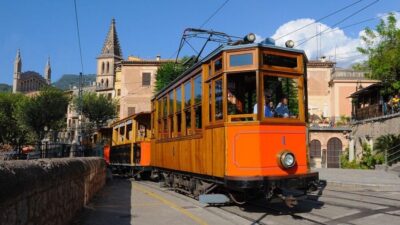
Tramuntana Full-Day Tour with Sóller Train and Lunch
Read our review →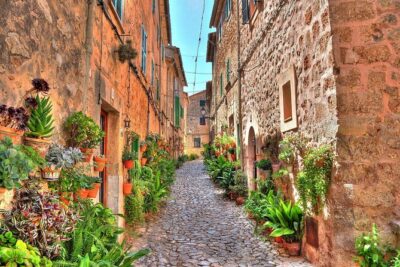
Valldemosa and Valley of Soller Tour in Mallorca
Read our review →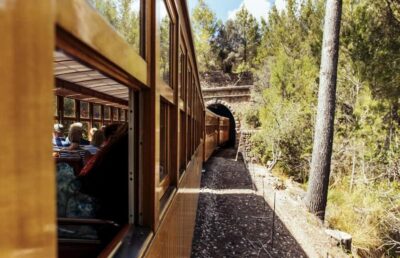
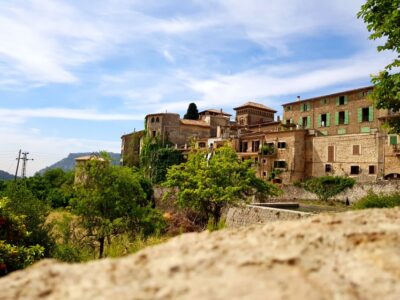

Olive Oil Guided Tour and Tasting at Can Det Estate
Read our review →Browse the lists this tour appears in