
Reviewed · HORSES
Mallorca: Authentic Horseback Ride in Rural Mallorca
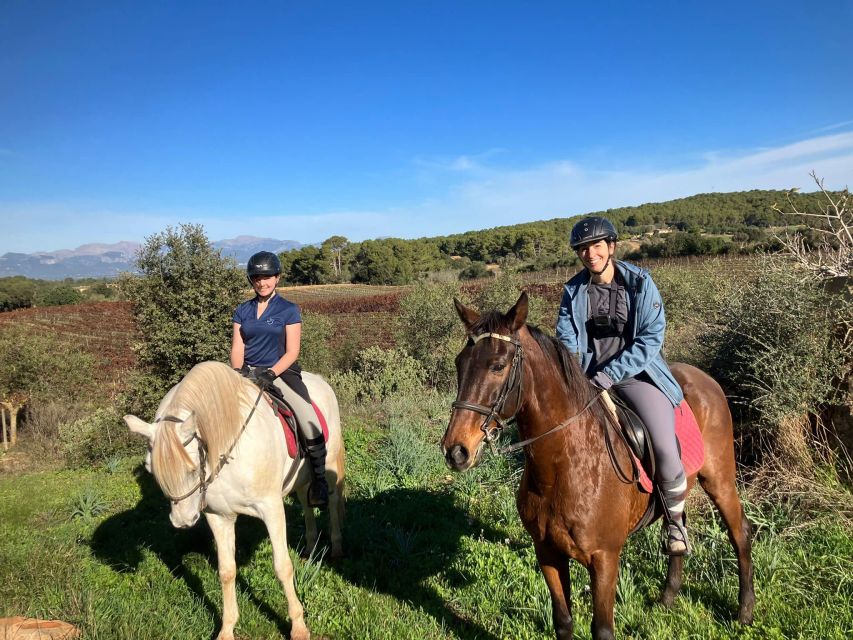
Riding in Mallorca feels best when it is not rushed. This 4-hour horseback ride in rural areas around Antigua Mallorca pairs real riding time with horse care and a practical coaching start. I love the active trotting and cantering through open trails and groves, and I also like how the guides set you up in the arena before you head out. A possible drawback: it is designed for riders with some experience, so beginners will want to be ready for a more physical, moving ride.
The route itself is the point. You start with a warm welcome, get your horse ready, and then shift from the training area to wider trails through oak groves and countryside paths. I appreciate that the guides adjust the pace to your level, not the other way around. Still, if you are sensitive to being around horses close up or you are traveling with kids or a mobility concern, read the limits carefully before you book.
If you want Mallorca views, but you also want to work for them with your legs and balance, this is a smart fit. With a small group (up to 6) and English, Spanish, German, Catalan, or French instruction, it is built for a hands-on experience. Just plan your clothing and footwear, because you will be on a horse and walking around during grooming and prep.
In This Review
- Key things to know before you go
- Why This 4-Hour Ride Feels Like Real Country Time
- Andalusian Horses, Chosen for Your Level
- The Arena Warm-Up: Handling, Position, Then Off You Go
- Randa Valley Trails: Oak Groves to Open Countryside
- What You Pass: Almonds, Olive Groves, and Cultivated Fields
- Safety, Limits, and the Realities of an Active Ride
- Pace, Group Size, and What the Coaching Actually Means
- Included Perks That Make It Better Value Than You Think
- Transportation and Meeting Point: How to Plan Your Arrival
- What to Bring, What Not to Bring, and Comfort Tips
- Who This Ride Is Best For
- Should You Book This Rural Mallorca Horseback Ride?
- FAQ
- How long is the horseback ride?
- What is the price per person?
- Are helmets provided, and are they required?
- What’s included in the price?
- What should I wear and bring?
- What is not allowed during the activity?
- Is transportation to the hípica included?
- What languages are available for instruction?
- What are the age and health limits?
- Is it suitable for beginners?
Key things to know before you go
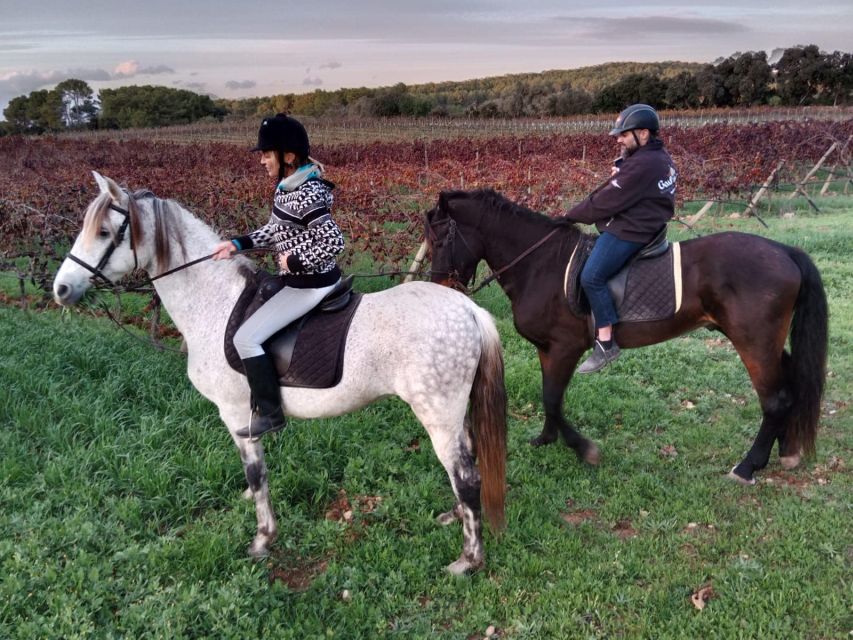
- Long trots and canters on wide trails, not just a slow loop
- Andalusian horses chosen based on your riding level
- A real arena warm-up for position, handling, and confidence
- Randa Valley plus open countryside with almond, olive groves, and fields
- Small-group format limited to 6 participants
Stone villages, away from the coast
- Mallorca: Day Trip to Hidden Gems of Tramuntana with Lunch
★ 4.6 · 111 reviews - Mallorca: Discovering 5 Charming Villages of Mallorca
★ 4.8 · 38 reviews - Mallorca: Windmills, Legends and Charming Villages
★ 4.5 · 12 reviews
Why This 4-Hour Ride Feels Like Real Country Time
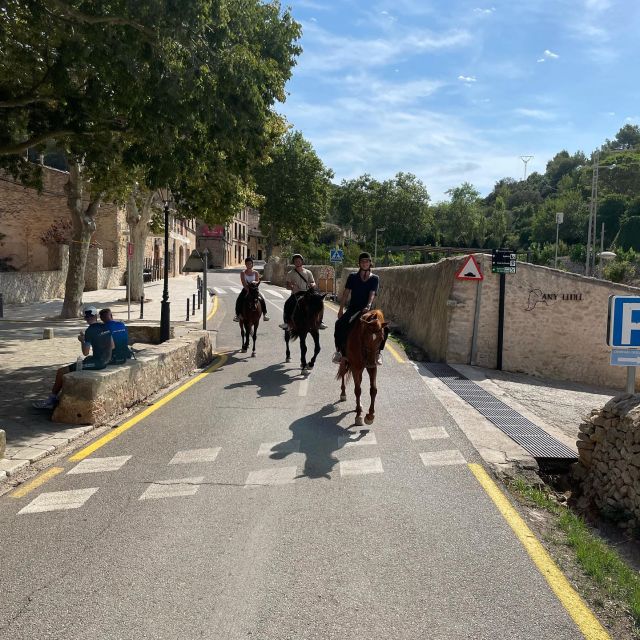
Mallorca can be tour-bus efficient, but you do not come here for that today. This ride is built around movement, rhythm, and time outdoors, with stretches where you are meant to trot and even canter. The countryside matters because you spend the ride working in open spaces and wide trails, not hiding behind fences or along crowded roads.
I like that it is not just a “sit and pose” activity. You connect with the horse first, then you ride with purpose. That is especially true because the guides include a short class in the arena before you go out. If you have ridden before, you will likely feel the payoff quickly when the pace opens up.
The schedule is also a good length. At four hours, you get enough riding time to feel like you actually did something, while still leaving your day intact for exploring Palma, beach time, or another countryside stop.
One practical note: this is an active equestrian experience. Even if the pace is adapted, your body will work. Think of it as a ride for people who can sit steadily for hours, manage warm-up time, and stay comfortable in proper riding posture.
Andalusian Horses, Chosen for Your Level
The biggest reason this feels “authentic” is that you ride a horse that fits you. Horses in this activity are Andalusian, and your horse is selected based on your level. That matters because Andalusians are known for responsiveness and a lively feel under saddle, and you want that energy matched to your skill.
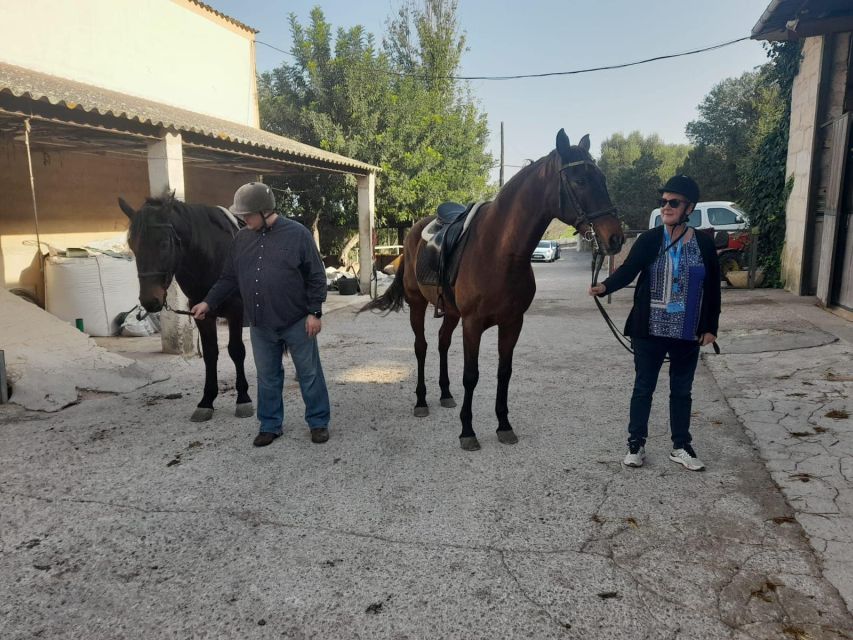
You also get more than a handoff at the stable. Before you ride, you prepare and handle the horse. That is more than a cute intro. It helps you understand the animal you are about to trust with your balance, and it gives you a smoother start when the reins and position cues come into play.
The experience includes helmet use, and it is required. You will be given a casco obligatorio requirement, and you should bring long pants and closed-toe shoes. The helmet requirement is not just formality. It is a safety baseline when you are moving at an active pace on uneven natural ground.
If you have not ridden recently, focus on your comfort during handling. Even a confident rider can get tense if they are unfamiliar with how a horse expects space. The guides coach you through the basics so you are not guessing.
The Arena Warm-Up: Handling, Position, Then Off You Go
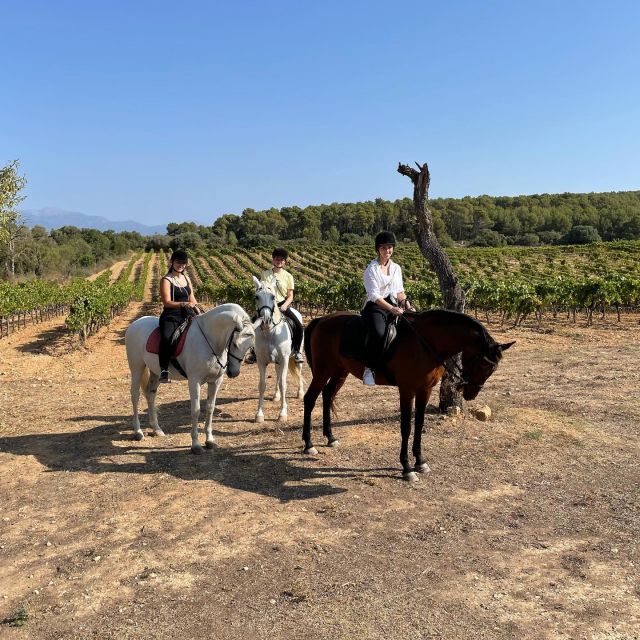
The first part of your session happens in two steps: horses come first, then your riding skills. You begin with a warm welcome, and the team helps you with preparation and handling. After that, you get a short arena session focused on technique.
In the arena, you learn the handling basics and position. The goal is simple: you should understand how to hold your body and manage your controls before you head onto trails. If you have ridden before, this is a quick reset. If you are a first-timer, this is where you get your bearings fast.
This is also where the guide interaction really shapes your experience. Recent rider feedback highlights that guidance can feel welcoming even if you do not have tons of experience. That lines up with the activity design: the guides adjust the pace and development of the ride, so you are not thrown into a fast group at the start.
What you should watch for during the warm-up is how the instructor talks about control. You do not want to grip too hard or collapse your posture. The best riding feels like communication, not muscle tension.
Then you leave the riding arena and head onto wide trails. That transition is important. The first minutes outside are where riders who ignored the arena lessons usually feel it, and riders who listened usually settle in quickly.
Randa Valley Trails: Oak Groves to Open Countryside
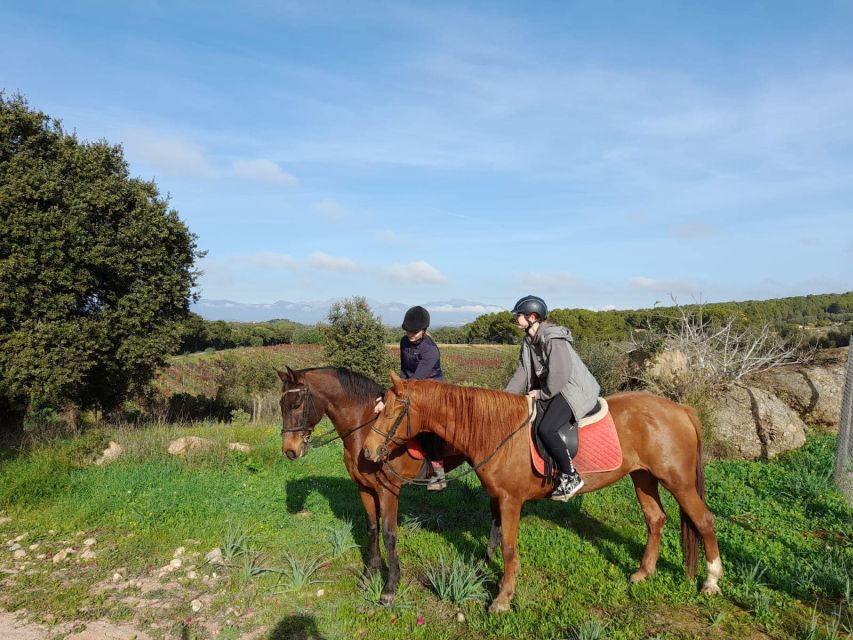
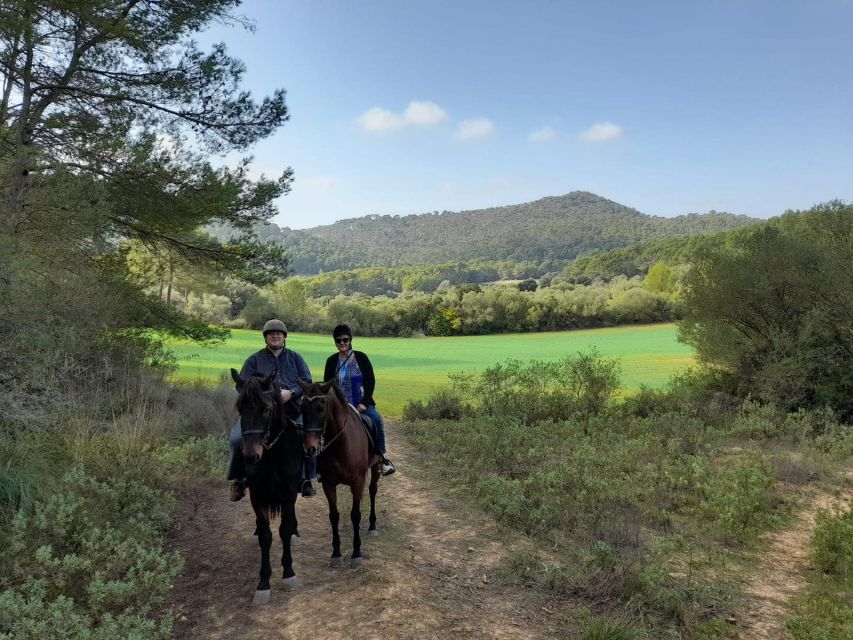
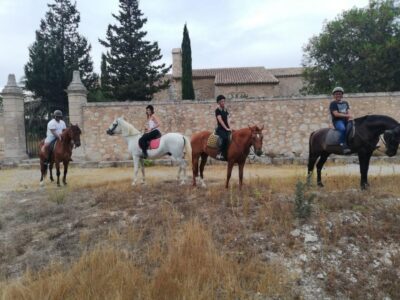
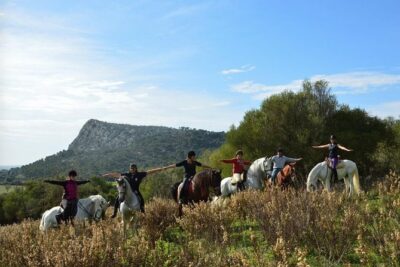
Once you set off, the ride becomes a mix of protected paths and open terrain. You can expect holm oak groves and forest paths in the Randa Valley, followed by more open landscapes. That shift changes how the horse moves and how you balance.
In the oak groves and forest paths, the ground can feel more sheltered and shaded, and you may move with shorter spacing between turns or changes in footing. In open areas, you get the chance to ride with more freedom. This is where the experience leans into long trots and canters.
You are not just chasing views. You are learning to maintain rhythm. Trotting requires a steady seat and a relaxed grip, and cantering asks for smoother timing with your body. The guides adapt the ride so you can practice at a pace that fits you.
One value point here is that the route is designed to feel like rural Mallorca. The experience takes you away from crowded feel by using countryside roads and trails that connect traditional farming areas. You are seeing the real workland of the island through the lens of an active horseback ride.
Also, since this is a dynamic horseback adventure, you should expect movement. If you want a slow, gentle stroller ride, this may not match your idea of relaxing.
Other ways to spend a day around Mallorca
What You Pass: Almonds, Olive Groves, and Cultivated Fields
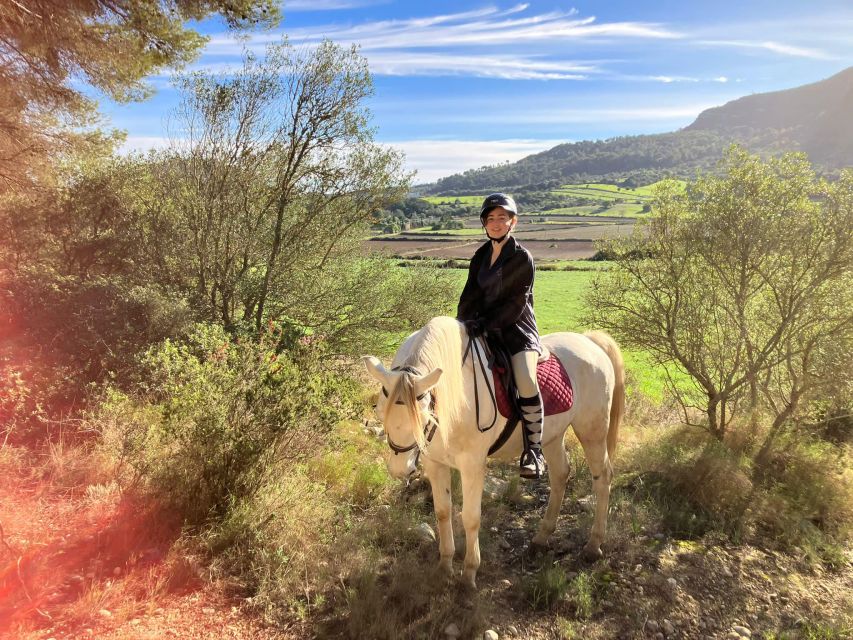
The route you ride includes open countryside scenes like almond trees, olive groves, and cultivated fields. That is not just scenery trivia. It shapes the experience because these are different kinds of natural and worked landscapes, and they influence what the trail feels like.
Olive groves and almond areas often mean wider open trails where the horse can stretch into a more active gait. Holm oak groves and forest paths often feel more enclosed, with natural shade and a trail rhythm that helps you settle into the saddle.
This is where the ride becomes an authentic Mallorca moment. Instead of bouncing from one postcard stop to another, you travel across the island’s working countryside. You are moving at horse pace, which makes the scenery feel lived-in rather than staged.
And yes, you still get photos. The experience includes instructor photos, which helps you avoid the scramble of trying to take pictures while also managing your own position.
Safety, Limits, and the Realities of an Active Ride
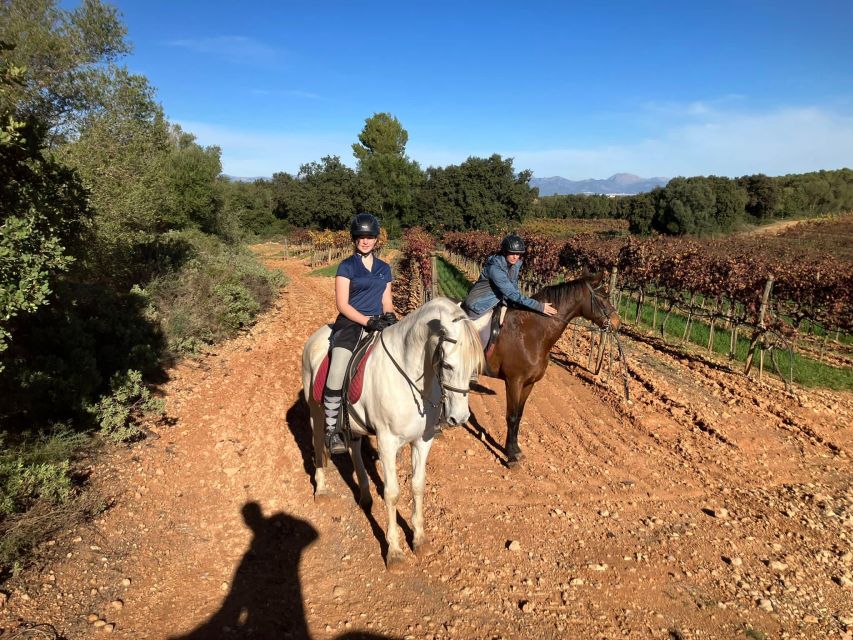
This activity includes professional guidance and insurance, and it comes with a set of rules. You cannot bring weapons or sharp objects, and littering and fireworks are not allowed. While that may sound obvious, it also tells you the stable and trail setup expects standard responsible behavior, which is good for everyone.
Your best safety checklist is practical:
- Wear long pants and closed-toe shoes.
- Leave sandals or flip flops behind.
- Follow your guide’s instructions in the handling phase, not just on the trail.
Now for the limits that matter. The activity is not suitable for children under 7, pregnant women, people with mobility impairments, and people over 243 lbs (110 kg). There is also a note that it is wheelchair accessible. That is a mixed message. If mobility applies to you, contact the provider directly before booking so you are not guessing.
If you are an active rider with good physical condition, you are more likely to enjoy this. If you are older but still steady on your feet, you might be fine. The key is the work your legs and core will do, especially during longer trots and canters.
Pace, Group Size, and What the Coaching Actually Means
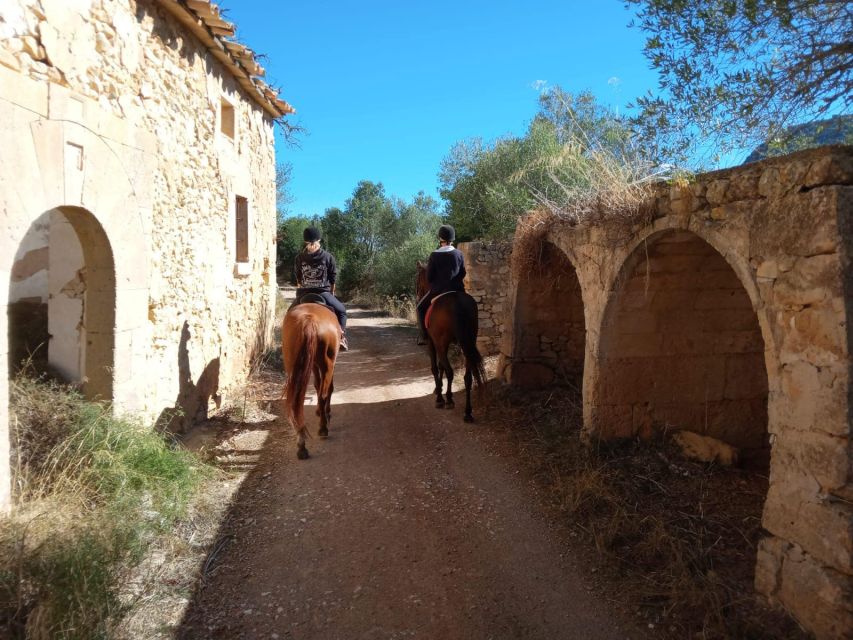
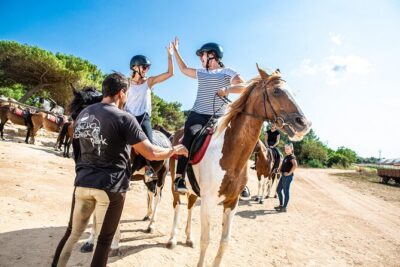
This is a small group experience, limited to 6 participants. That matters more than it sounds. With fewer riders, guides can correct position and handling without feeling rushed, and they can adjust the ride flow to your level.
The coaching also shows up in how your pace is managed. The ride is designed for riders with some experience, but it is also suitable for guests in good physical condition because the guides adapt what you do. That is the practical difference between “beginner friendly” and “beginner survivable.” Here, the guide influence is part of the design.
Instructor language options include English, Spanish, German, Catalan, and French. If you want clear corrections, this matters. You should be able to understand cues about posture and rein handling without language friction.
Recent rider comments also emphasize that the staff can be attentive and competent, and that new riders can feel well looked after. For you, the takeaway is simple: go into the warm-up seriously, listen during corrections, and do not fake confidence. The best experience comes when you take cues and let the ride build.
Included Perks That Make It Better Value Than You Think
At $177 per person for a 4-hour experience, it is not a budget activity. But it is also not a bare-bones “walk and smile” ride. You get a lot of built-in value that adds up when you compare it to other horseback options.
Here is what is included:
- A monitor or horse riding instructor support
- Mandatory helmet
- Horse selection by your level
- Horse preparation and handling
- An arena lesson on position and handling
- The horseback excursion itself
- Horse cleaning and shower afterward
- Refreshments
- Photos taken by the instructor
- Liability insurance (RC)
When you think about value, ask yourself what you would otherwise pay for or worry about. You would otherwise need a guide, basic training time, safety gear, and a plan that matches horse behavior to rider skill. The included horse grooming and shower also signals that this is run like a real stable process, not a quick tourist stop.
There is also a small-group size cap, which usually correlates with better attention. Better attention is hard to price, but you feel it in how quickly you relax into the ride and how clearly you understand what to do next.
Transportation and Meeting Point: How to Plan Your Arrival
Transportation to the horse riding venue is not included. That means you should plan your own trip to the hípica. The good news is that there is an option for arriving by bus to the towns of Llucmajor and Algaida, plus a van pickup from set meeting points in those towns.
Your meeting point details include two map links for pickup. If you are using public transport, use those exact points so you are waiting at the right place when the van arrives.
If you are driving, you will likely find it simpler to handle directly rather than relying on the bus-to-van plan. Either way, leave a little cushion. You are dealing with a time window, and horseback experiences run on stable schedules.
What to Bring, What Not to Bring, and Comfort Tips
Clothing guidance is straightforward:
- Bring long pants
- Wear closed-toe shoes
Do not wear sandals or flip flops. That is a safety and comfort rule. Footwear matters because you will be standing and moving while handling the horse, and you want good grip when you get ready to mount.
Beyond the essentials, I recommend you think about sweat and sun. Even if you do not plan to spend a day at the beach, you will be outdoors and active.
Also, you are given refreshments, but you should still hydrate normally before the experience. Arriving tired or dehydrated can make the active ride feel harder than it should.
Who This Ride Is Best For
This is best for active riders who want a longer, more selective feeling horseback experience across rural Mallorca. If you enjoy trotting and cantering, and you want to practice technique on natural paths, you will likely love it.
You are a strong match if you:
- Have at least some riding experience, or you learn quickly in the arena
- Are comfortable with active movement for several hours
- Enjoy hands-on horse prep and care
- Want to see countryside areas rather than staying near busy tourist roads
You might reconsider if you:
- Want a slow, purely relaxing walk
- Have mobility limitations that make handling and mounting hard
- Are traveling with kids under 7
- Are pregnant
- Exceed the weight limit of 243 lbs (110 kg)
And because there is both a wheelchair accessibility note and a “not suitable for mobility impairments” note, if that applies to you, ask directly before booking.
Should You Book This Rural Mallorca Horseback Ride?
If your main goal is active riding in the countryside, I think this is a solid choice. The combination of arena training, horse prep, and long trot and canter sections makes it feel like more than a short tourist activity. The small group size helps you feel guided rather than herded.
Book it if you want:
- A 4-hour format that feels like real time outdoors
- Andalusian horses matched to your riding level
- Coaching that supports safety and technique
- Rural Mallorca scenery across groves and fields, not a quick roadside loop
Skip it if you want something slow and casual, or if your mobility, age, pregnancy status, or weight limits do not fit the rules.
If you are on the fence as a moderately experienced rider, this is the type of activity where the upfront coaching pays off. Get ready for movement, wear the right clothes, and you will get a genuinely rewarding horseback day in rural Mallorca.
FAQ
How long is the horseback ride?
The experience lasts 4 hours.
What is the price per person?
The price is listed at $177 per person.
Are helmets provided, and are they required?
Yes. Helmet use is mandatory (casco obligatorio), and it is included.
What’s included in the price?
Included items are horse riding monitoring/instructor support, mandatory helmet, horse selection based on your level, horse preparation and handling, arena class, the horseback excursion, horse cleaning and shower, refreshments, instructor photos, and RC liability insurance.
What should I wear and bring?
Bring long pants and wear closed-toe shoes.
What is not allowed during the activity?
Sandals or flip flops are not allowed, and you also cannot bring weapons or sharp objects. Littering and fireworks are not allowed.
Is transportation to the hípica included?
No. Transportation to the horse stable is not included, but there is an option to arrive by bus to Llucmajor and Algaida with a van pickup at the meeting points.
What languages are available for instruction?
Instruction is available in English, Spanish, German, Catalan, and French.
What are the age and health limits?
It is not suitable for children under 7 years, pregnant women, people with mobility impairments, and people over 243 lbs (110 kg).
Is it suitable for beginners?
The activity is designed for riders with some experience, but it is also described as suitable for guests in good physical condition, and the guides adapt the pace. If you are a complete beginner, the arena start and guided support are your main safety net, so follow instructions closely from the start.
Fresh on the Island
- History, Architecture and Legends of Palma de Mallorca★ 5.0 · 1 review
- Deluxe Excursion in Palma De Mallorca and Valldemossa★ 5.0 · 1 review
- Palma de Mallorca Private Boat.Adventure from the Sun to the Stars★ 5.0 · 1 review
- Half-day trip to the Drach Caves★ 5.0 · 1 review
- Mallorca: 4-Hour Retreat of Yoga, Meditation & Magic Vibes★ 5.0 · 1 review
- Coasteering northern area Mallorca (Alcudia)★ 4.0 · 1 review
- Mallorca: individually guided hiking tours, city, coast, almond blossom★ 5.0 · 1 review
- 8-Hour Formentor and Sineu Market with boat trip Tour in Mallorca★ 4.0 · 1 review
Horses, compared.
Horseback Riding Experience with Food Options
Read our review →
Mallorca Evening Tour: Horseback Riding, Dinner and Dance
Read our review →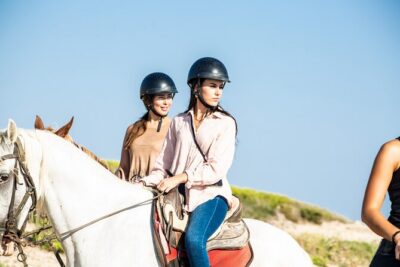
3-Hour Beach Horse Riding to Discover the Beauty of Alcudia Bay
Read our review →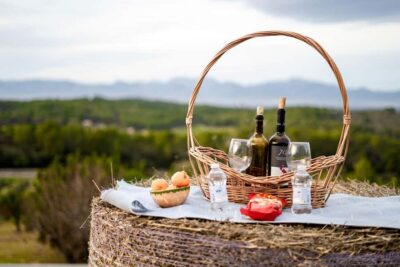
Horseback Riding in Randa Valleys, Mallorca, Spain
Read our review →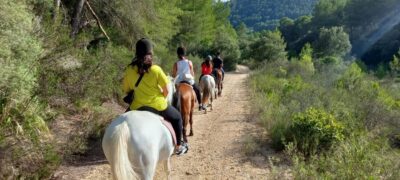
Browse the lists this tour appears in