
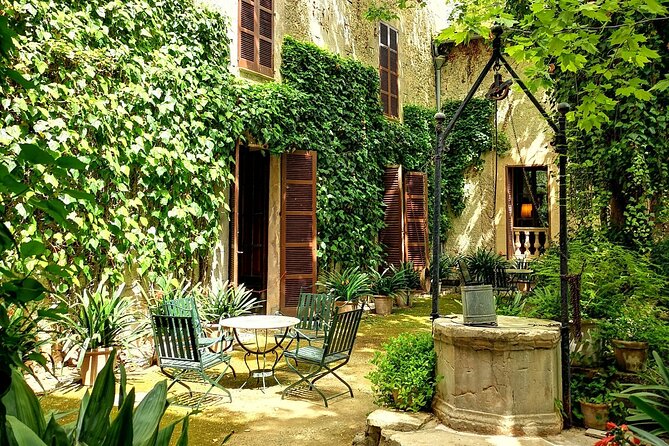
Reviewed · MALLORCA
Els Calderers House Museum in Mallorca
A Mallorca manor with real farm work. I loved the 30+ rooms and the way the visit walks you through daily life, from the priest’s office and chapel to the bread oven, all in a cool, old-house setting. One caution, the outdoor animal yards can look stark in the heat, so if you are very sensitive to how animals are housed, go with eyes open.
You’ll get an English-guided walkthrough that moves room by room, ending right back where you started. It runs about 3 hours, maxes out at 15 people, and includes your admission plus free parking, but transportation to the finca is not included.
In This Review
- Key highlights worth planning around
- Why Casa Museo Els Calderers feels like a real Mallorca snapshot
- Price, timing, and what $10.81 gets you in practice
- Ground floor start: halls, priest, chapel, and the celler
- Main bedroom and domestic dependencies: how comfort was organized
- Barn, kitchens, toilets, and the bread oven stop that makes it real
- Carpentry, blacksmithing, mills, and the outdoor finish
- Logistics you can plan around: meeting point, parking, and group flow
- What to know before you go inside: pace, notes, and practical tips
- Who should book Els Calderers, and who might not love it
- Should you book Els Calderers House Museum in Mallorca?
- FAQ
- How long is the Els Calderers House Museum tour?
- What is the price per person?
- Is admission included in the ticket price?
- What language is the tour offered in?
- Where do I meet, and does it return to the same place?
- Is transportation included?
- Is there parking?
- Can I cancel for a full refund?
Key highlights worth planning around
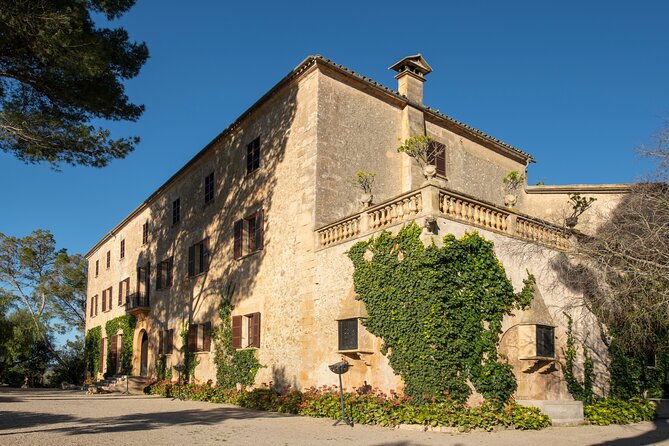
- A guided route through 30+ rooms, starting on the ground floor and ending with farm buildings and machinery
- Domestic life in detail, from the peasant kitchen and laundry to bread-making spaces
- Craft and production areas, including carpentry, blacksmithing, and flour milling
- Outdoor farm views at the end, with corrals for different animals and equine yards
- Small group size (up to 15), which helps the visit feel orderly and not rushed
Other ways to spend a day around Mallorca
- Manacor: Rafa Nadal Exhibition Entry Ticket
★ 4.6 · 836 reviews - Palma: tickets for the FoKO immersive gallery
★ 4.8 · 41 reviews - Alcudia: Museum Sa Bassa Blanca Entry Ticket
★ 4.5 · 30 reviews
Why Casa Museo Els Calderers feels like a real Mallorca snapshot
Els Calderers House Museum is not just a pretty manor. It’s a working estate story, told through rooms that still look organized for how people lived and worked. You start with the parts you would expect in a big rural home, like the halls, office spaces, and chapel, then you move steadily into places tied to meals, cleaning, tools, and production.
What I like most is the pacing. The tour doesn’t jump around. You follow one path through the house, then you continue outward into the estate’s working areas. That matters because you begin to understand how all the jobs fit together, not just how the family rooms looked.
And even if you do not speak much Spanish, the visit structure helps you get your bearings fast: chapel, bedroom zone, food and laundry, then the farm spaces at the end. That clear arc is a big part of the value.
Price, timing, and what $10.81 gets you in practice
At about $10.81 per person for roughly 3 hours, this is priced like a focused museum visit rather than a long excursion. You’re paying for a guided route plus the admission ticket, and the free parking is a real perk if you are driving yourself around Mallorca’s quieter roads.
Averages can help you plan: the experience is often booked about 10 days in advance. That doesn’t mean you must book far ahead, but it’s a sign this is not a “show up whenever” type of stop during busy periods.
Group size is the other practical win: up to 15 travelers. Smaller groups mean you can hear explanations better and actually notice objects, not just walk past them. The downside is that you should arrive on time, because the route is built as one flowing visit, not a self-guided wander.
Ground floor start: halls, priest, chapel, and the celler
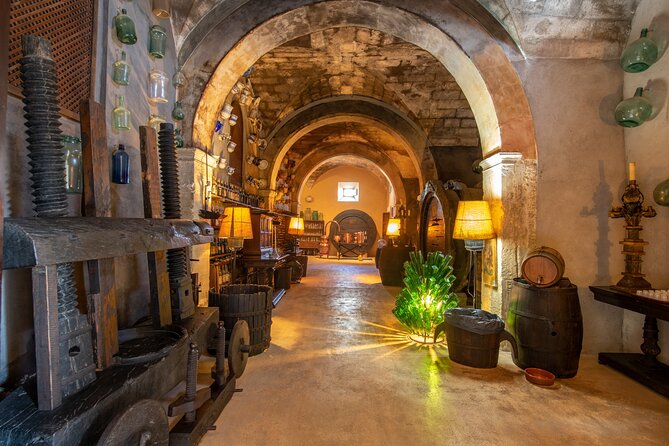
You begin at Museu Etnològic dels Calderers, on the Finca Els Calderers property near San Juan, and the first section is classic “estate and authority.” The ground floor route covers spaces like the hall (you’ll pass two hall areas), the Office of the Priest, Chapel, and the celler.
These rooms are important because they explain how the estate worked as a community hub. The priest’s office and chapel are not random decorations. They reflect a social order, and you’ll see how religion and daily rhythm were tied together in a rural household.
The celler is also the kind of room I always enjoy in old properties. Even without a modern “museum” label, it gives you a sense of storage and management. You are not just looking at furniture, you’re seeing the estate’s practical engine, the spaces that kept life running.
If you like guided structure, this opening part is a good start. It gives you context before the tour heads into bedrooms and then into work spaces.
Main bedroom and domestic dependencies: how comfort was organized
Next you move into the main bedroom and its surrounding domestic zones. This is where the tour becomes very “lived-in,” even if it’s a museum. You’ll pass from the main bedroom into dependencies such as the common room, a dressing room for the man (the tour describes specific dressing spaces), then continue through the corridor, toilet, and ironer area.
This is one of the most useful sections for me, because it shows household logic. The layout tells you what people needed close at hand: getting dressed, personal routines, washing and pressing, and moving through the home without disrupting everything else.
A detail to keep in mind: these are not bright, minimalist rooms. This is a preserved old property with the feeling of a real house. If you love texture, old materials, and a sense of how rooms were used, you’ll appreciate how these domestic dependencies are folded into the visit.
If you dislike tight corridors or want a lot of “big wow views,” this part may feel more intimate than dramatic. But it’s also the section that helps you understand daily life, not just the fancy front.
Boats, caves, and mountain roads — Mallorca rewards a rental car or a good captain.
Barn, kitchens, toilets, and the bread oven stop that makes it real
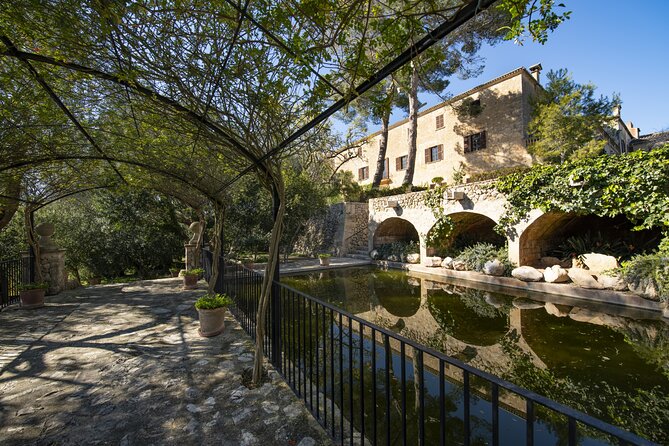
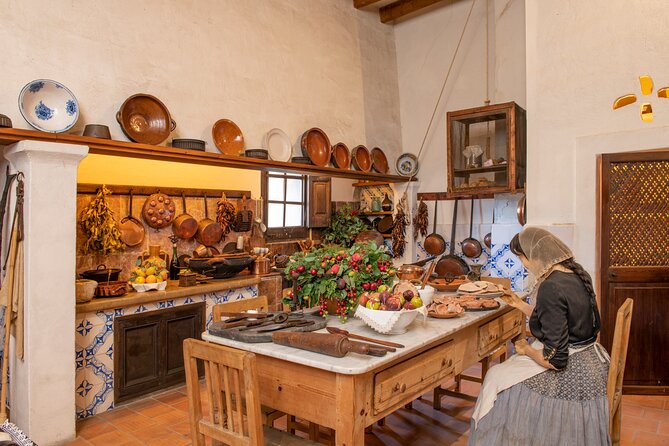
After the domestic bedroom sequence, the route shifts into work and food. You’ll see spaces including the barn, bedrooms, the office area of the Mayoral, the peasant kitchen, toilets, a bar area, a souvenirs stop, plus the bread oven and laundry.
The peasant kitchen is especially valuable because it moves the story out of the purely elite rooms. It’s a reminder that estates like this depended on everyday labor, not just the family’s comfort.
Then the bread oven. Even if you have seen ovens in other European rural museums, the way it’s placed within the tour matters. You’re already thinking about kitchens and daily chores, so the oven feels like the natural next step, not a random exhibit.
Laundry also helps you connect the dots. It turns “old house” into “old household systems.” You start to picture chores, cycles, and the routine behind the scenes.
The only mild consideration here is that the tour includes multiple functional areas. You may want comfortable shoes and some patience for indoor rooms that feel more like walking through a preserved working home than a modern gallery.
Carpentry, blacksmithing, mills, and the outdoor finish
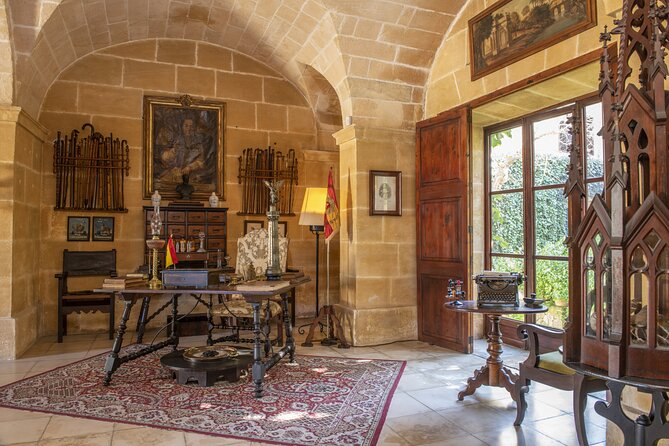
The final stretches take you deeper into production and farm structures. The tour reaches areas described as carpentry and blacksmithing, plus machinery connected to algarrobos and almonds, a pig slaughter room, and corrals with different animals. You’ll also see a flour mill, the corral of equine animals, and end at the porch of carts and garnishes.
This ending is the reason Els Calderers House Museum feels like Mallorca rather than just Spain in general. The estate’s “how things were made and processed” story is tied to specific industries you can visualize. Almond and carob (algarrobos) production is part of the agricultural logic here, and the tour layout keeps those connections clear.
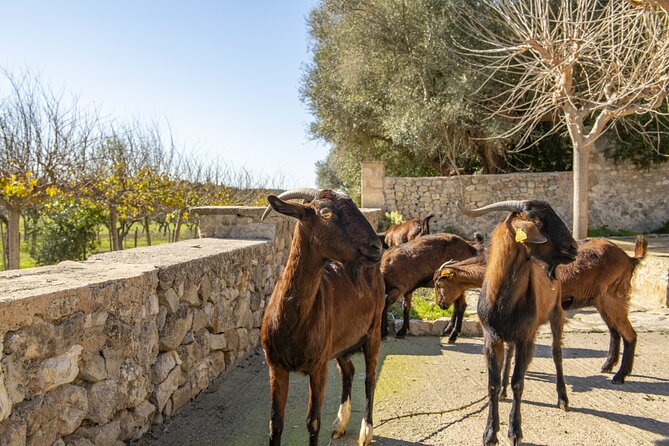
Now, the part animal lovers will think about first: the exterior yards and corrals. Some parts of the farm setting can look bare in hot weather, and the visible housing conditions may affect how you feel about the visit. At the same time, the estate clearly uses shade and water for at least some animals, and multiple animals are kept within the yard areas you pass at the end.
My practical advice: if animal welfare visuals are a deal breaker for you, consider whether you want to spend time looking closely at corrals. If you are okay with that and you focus on the historical estate context, this outdoor finish is where the tour becomes most memorable.
You’ll also spot a watchful dog on the premises in the broader farm setting, so be aware you may see an animal barrier or chain arrangement while you walk through the grounds.
Logistics you can plan around: meeting point, parking, and group flow
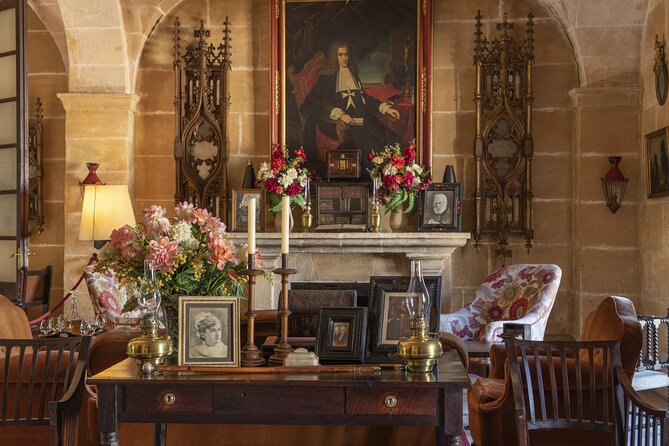
The meeting point is at Museu Etnològic dels Calderers, Finca Els Calderers Camino, Els Calderers, 07240 San Juan, Illes Balears, Spain. The tour ends back at the same meeting point, so you’re not left figuring out how to get across the property or out to a bus stop.
Free parking is included, which is a big advantage in Mallorca when you want flexibility and don’t want to hunt for a good drop-off point. Private transportation is not included, so if you are not renting a car, you’ll need to plan how you’ll reach the finca and return.
A small group also changes how you should approach the visit. With a maximum of 15 travelers, you should expect a more “guided walk” feel rather than a slow browse. Try to keep your phone usage low once you’re inside, so you can follow the guide’s path between rooms.
What to know before you go inside: pace, notes, and practical tips
This tour is built as a guided route through a large estate. That means you’ll benefit from listening closely to the guide because the rooms are many, and you’ll walk through them as part of a continuous story.
A couple practical “prepare yourself” tips based on what people have pointed out in the past:
- The information provided on paper can feel confusing in places, including how room numbering lines up. If that happens, don’t get stuck. Stay with the guide’s directions.
- If you plan to buy anything at the on-site bar, have cash ready, since card payments have not always been available there.
There’s also a small, real-life detail worth knowing about the estate’s orange offerings. The team has explained that some oranges may be too bitter to use for certain food or drink uses. So don’t expect every fruit on the property to turn into a tasty snack on your route.
As for your own comfort: bring water, wear shoes that work on older indoor flooring and outdoor paths, and plan for heat if you’re visiting during warmer hours. The end of the tour includes outdoor animal yards, so you’ll be most aware of temperature then.
Who should book Els Calderers, and who might not love it
Els Calderers House Museum is best for you if you like:
- Rural life and how estates functioned day to day
- Historic domestic spaces, especially the shift from bedroom rooms into kitchens and household work areas
- Craft and production scenes, like blacksmithing, carpentry, mills, and agricultural machinery
- A small-group guided walk that moves with purpose
It may be less satisfying if you want a pure “museum gallery” experience with climate-controlled rooms and minimal farm visuals. The animal yards are part of the story, and the exterior condition can influence your enjoyment, depending on what you notice and what you feel comfortable seeing.
Should you book Els Calderers House Museum in Mallorca?
I think you should book if you want an authentic, structured look at how a Mallorcan estate worked, not just how it looked. The combination of 30+ rooms, a logical walk-through from chapel and bedroom spaces into kitchens and bread-making, and then the farm machinery and mills at the end is a strong value for the time and price.
I would hesitate only if animal housing visuals are a major concern for you, or if you strongly prefer polished, modern museum presentation over preserved, lived-in estate atmosphere. If you are flexible and focus on the estate’s historical system, this visit can feel like stepping into the way the island used to function.
FAQ
How long is the Els Calderers House Museum tour?
The tour lasts about 3 hours.
What is the price per person?
The price is $10.81 per person.
Is admission included in the ticket price?
Yes, the admission ticket is included.
What language is the tour offered in?
The tour is offered in English.
Where do I meet, and does it return to the same place?
You start at Museu Etnològic dels Calderers, Finca Els Calderers Camino, Els Calderers, 07240 San Juan, Illes Balears, Spain, and the activity ends back at the meeting point.
Is transportation included?
No, private transportation is not included.
Is there parking?
Yes, free parking is included.
Can I cancel for a full refund?
Free cancellation is available, and you can cancel up to 24 hours in advance for a full refund.
Fresh on the Island
- Boat rental without license – B450 ‘Theia’ (4p) – Can Pastilla★ 5.0 · 27 reviews
- PREMIUM TOUR : Enjoy aquatic caves with caving guides★ 5.0 · 27 reviews
- From Alcúdia: Dinosaurland and Hams’ Caves Half-Day Trip★ 4.1 · 27 reviews
- Mallorca: Cova des Coloms Sea Cave Excursion by Boat★ 4.6 · 27 reviews
- Santa Ponsa: Boat Rental (No License Needed)★ 4.0 · 27 reviews
- Mallorca: Bladerunner Jet Boat Excursion★ 4.6 · 27 reviews
- Coasteering Cliff jumping★ 5.0 · 27 reviews
- Romantic couple massage + SPA entry and private jacuzzi with cava★ 4.5 · 28 reviews